Understanding Asset Finance for Earthmoving Equipment
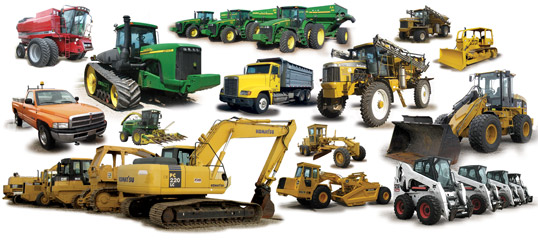
Asset finance lets you use the equipment itself as security for the loan, which means you can acquire excavators, loaders, graders or dozers without tying up all your working capital upfront. The machinery you're purchasing becomes the collateral, and you spread the cost across regular monthly repayments while the equipment earns money on site.
For businesses operating around Canning Vale's industrial precinct along Bannister Road and down through Jandakot, this matters because earthmoving equipment represents a substantial capital outlay. A mid-range excavator might cost anywhere from $150,000 to $400,000 depending on size and specifications. Rather than paying that amount in cash and depleting your reserves, asset finance structures let you preserve capital while still accessing the machinery you need for contracts.
Chattel Mortgage: Ownership From Day One
A chattel mortgage gives you immediate ownership of the equipment while the lender holds a mortgage over it as security. You claim the depreciation and any tax benefits from day one, and you're responsible for maintenance and insurance throughout the loan term.
Consider a civil contractor based in Canning Vale who needs a 20-tonne excavator for a series of subdivision projects across the southern suburbs. The equipment costs $280,000. Through a chattel mortgage with a 20% deposit, the loan amount becomes $224,000. With fixed monthly repayments structured over five years and a balloon payment of 30% at the end, the monthly commitment sits around $3,200 (at current commercial rates). The contractor claims GST on the full purchase price through their BAS, deducts the interest portion of each repayment, and writes off the depreciation. When the five years end, they can pay out the balloon, refinance it, or sell the excavator and settle the remaining amount. The equipment paid for itself twice over during that period through work on residential land developments around Forrestdale and Harrisdale.
Hire Purchase: Structured Ownership Without the Balloon
Hire purchase works similarly to a chattel mortgage but you don't technically own the equipment until the final payment. You make regular repayments that cover both principal and interest, and once you've paid the full amount, ownership transfers to you.
This structure suits businesses that want full ownership at the end without dealing with a balloon payment. The monthly repayments are typically higher than with a balloon structure, but there's no lump sum to manage at the end of the term. You still claim the tax benefits throughout the life of the lease, including depreciation and the interest component of repayments.
Finance Lease: Managing Cashflow and Upgrade Cycles
A finance lease means the lender owns the equipment and you lease it for an agreed period. At the end of the lease, you can purchase the equipment for its residual value, refinance that amount, or hand it back and upgrade to newer machinery.
For earthmoving businesses, this flexibility around the upgrade cycle matters. Equipment technology improves, fuel efficiency increases, and emission standards tighten. A finance lease lets you access newer excavators or dozers every few years without being locked into machinery that's losing value or becoming outdated. The GST treatment differs slightly from a chattel mortgage - you claim GST on each lease payment rather than the full purchase price upfront - which can influence your cashflow depending on how your BAS cycle works.
Dealer Finance vs Broker Finance for Construction Equipment
Dealer finance from an equipment supplier offers convenience. You're already on site inspecting the excavator or dozer, and the dealer arranges the funding in-house or through their preferred lender. The challenge is you're limited to that single finance option, and the dealer's commission is often built into the rate or structure without transparency.
Working with a broker who can access asset finance options from banks and lenders across Australia means you're comparing terms, rates, and structures from multiple sources. For a $300,000 grader, the difference between dealer finance at a certain rate and a better commercial rate through a bank might represent $15,000 to $20,000 over the loan term. Brokers also structure deals around your business needs rather than what the dealer has available, which includes considering balloon payments that align with your cashflow, or splitting finance across multiple pieces of equipment to manage repayments.
Preserving Capital for Business Growth in Perth's South
The industrial area around Canning Vale houses hundreds of construction, civil, and earthmoving businesses serving Perth's southern growth corridor. When you're tendering for subdivision work in Byford or infrastructure projects in Kwinana, having working capital available for labour, materials, and subcontractors keeps you operational while contracts ramp up.
Buying new equipment outright drains that capital immediately. Finance structures - whether through a chattel mortgage, hire purchase, or finance lease - let you spread the cost while the machinery generates income. A $350,000 dozer financed over five years might cost $5,500 monthly in repayments, but that same dozer could be earning $8,000 to $12,000 weekly on an active site. The cashflow makes sense, and your capital stays available for the dozen other expenses that come up when running projects.
If you're looking at buying new equipment, upgrading existing machinery, or adding to your fleet as your business grows, talking through the finance options with someone who understands construction equipment and how earthmoving businesses operate makes the process clearer. Call one of our team or book an appointment at a time that works for you at our contact page.