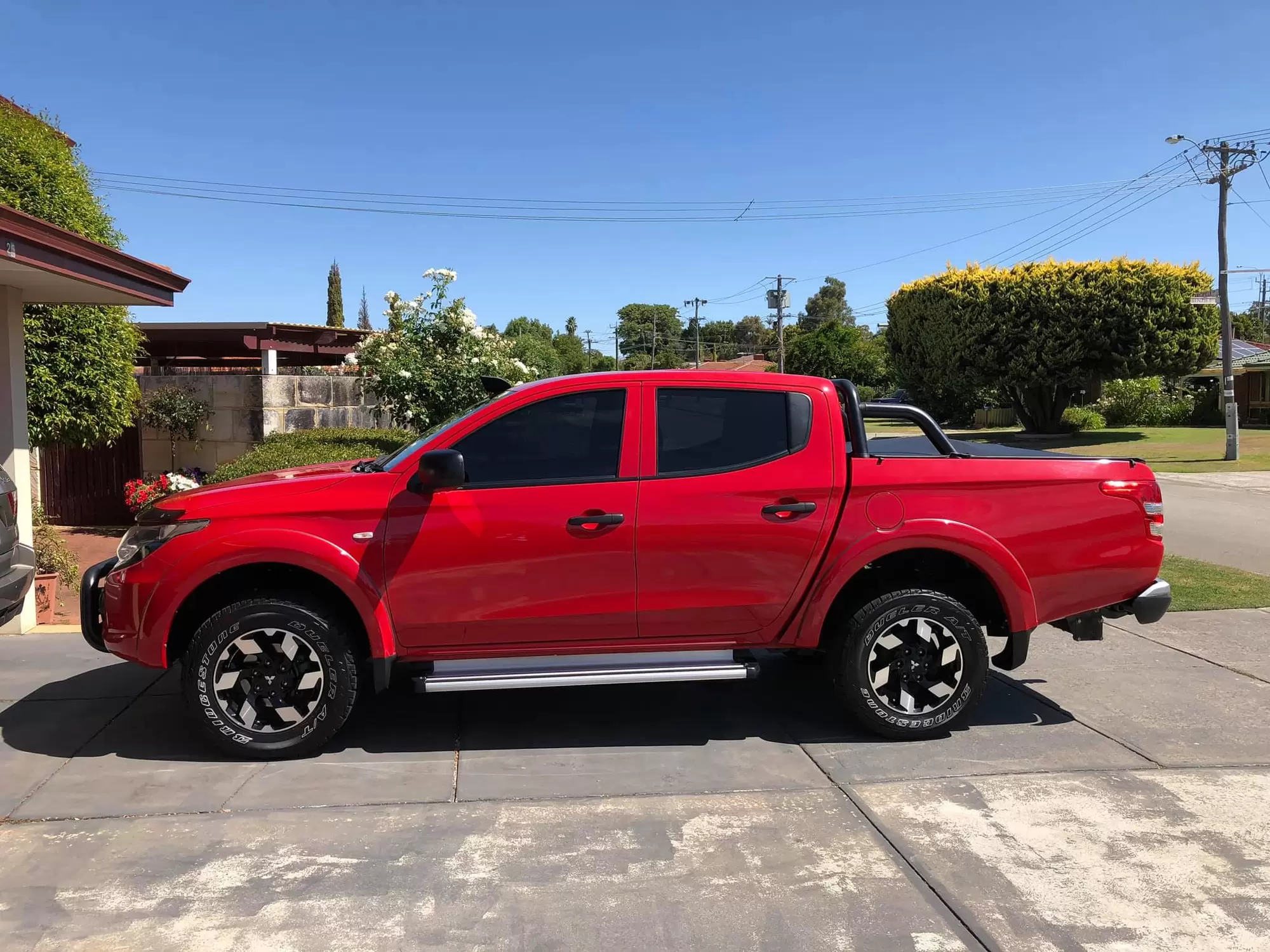
Low doc car loans let you finance a vehicle using bank statements or accountant declarations instead of full tax returns and financial statements.
If you run your own business, work as a contractor, or earn income that doesn't show up neatly on a payslip, you've probably hit the paperwork wall when applying for finance. Lenders want two years of tax returns, profit and loss statements, and sometimes more. A low doc car loan works differently. You prove your income using recent bank statements, a letter from your accountant, or a business activity statement. The lender still assesses your capacity to repay, but the documentation requirement drops considerably.
For someone operating a small business in the Osborne Park industrial precinct or working as a tradie across Perth's northern suburbs, this approach can mean the difference between driving a reliable work vehicle next week or waiting months to gather documents that don't reflect your current financial position.
Who Actually Qualifies for Low Doc Car Finance
You need to be self-employed or earning income outside standard wage employment, and able to show consistent deposits into your bank account over at least three to six months. Most lenders also want to see an ABN that's been active for at least 12 months, though some will consider shorter trading histories if your income is strong and verifiable through bank statements. The car loans you can access through this route cover new and used vehicles, utes, vans, and light commercial vehicles.
Consider a carpenter who's been operating as a sole trader for 18 months. Tax returns show modest income because expenses are maximised, but bank statements show $8,000 to $12,000 landing each month from completed jobs. A low doc car loan lets that borrower finance a dual-cab ute without waiting for another tax year to pass. The lender reviews six months of statements, verifies the ABN, and assesses repayment capacity based on actual cash flow rather than taxable income.
How the Application Process Differs from Standard Car Finance
You provide bank statements covering three to six months, proof of your ABN, and a declaration or letter from your accountant confirming your income. Some lenders accept business activity statements if you're registered for GST. The lender reviews your statements to verify consistent income and checks your credit file, then makes a decision based on your demonstrated cash flow rather than tax return figures.
The interest rate on a low doc car loan typically sits higher than a standard car loan because the lender is taking on additional risk with reduced documentation. Expect to pay somewhere between 0.5% and 3% more than the advertised rate for a full doc loan, depending on your deposit, credit history, and the strength of your bank statements. If you're financing a vehicle through asset finance or a chattel mortgage, the rate difference may be narrower because the vehicle itself provides security.
Deposit requirements also tend to be firmer. Where a standard secured car loan might approve with 10% or even no deposit in some cases, a low doc application usually requires at least 20% down. That deposit reduces the lender's exposure and strengthens your application when income verification is lighter.
When Refinancing Makes Sense After You've Established Trading History
If you've been in a low doc car loan for 12 to 24 months and now have two years of lodged tax returns, refinancing to a standard loan can reduce your interest rate and monthly repayment. You're no longer a new business or contractor in the lender's eyes. Your income is documented, your repayment history is solid, and you qualify for rates that match any other employed borrower.
In a scenario like this, a borrower who originally financed a van at 9.5% on a low doc loan could refinance at 7.2% once their tax history catches up with their trading reality. On a $40,000 loan balance with three years remaining, that shift could reduce monthly repayments by around $90 and save several thousand dollars over the remaining term. If you're carrying dealer financing or a high-rate loan from your first year in business, it's worth reviewing your position once your documentation strengthens.
Securing Finance Without a Full Trading History
Some lenders will consider applications from contractors or sole traders who've been operating for less than 12 months if the income shown in bank statements is strong and regular. You'll need a larger deposit, usually 30% or more, and the loan amount will be conservative relative to your income. This isn't common across all lenders, but it exists for buyers who can demonstrate solid cash flow even without an established ABN history.
If you're working in the commercial and industrial businesses around Osborne Park and Main Street, or servicing the retail and logistics operations west of the Mitchell Freeway, your income pattern might be consistent enough to support an application even if your ABN is relatively new. The key is showing that money is coming in regularly and that your expenses leave room for a monthly repayment.
Choosing Between a Secured Car Loan and Other Finance Structures
A secured car loan is the most common structure for low doc vehicle finance. The car acts as security, which keeps the rate lower than an unsecured personal loan. If you're using the vehicle for business purposes and want to claim interest and depreciation, a chattel mortgage or commercial hire purchase might suit your situation instead. Both allow you to own the vehicle and claim tax deductions, but the structure and timing of those deductions differ.
Your accountant can help you work out which structure makes sense based on how you use the vehicle and how your business is set up. A chattel mortgage often works for sole traders and companies buying work vehicles, while a standard secured loan suits someone buying a car for mixed personal and business use. Either way, the low doc approach applies to the income verification side, not the finance structure itself.
Call one of our team or book an appointment at a time that works for you. We'll review your bank statements, talk through what lenders are likely to accept, and help you put together an application that reflects your actual financial position without waiting for paperwork that doesn't tell the full story.