What Equipment Finance Covers for Restaurant Kitchens
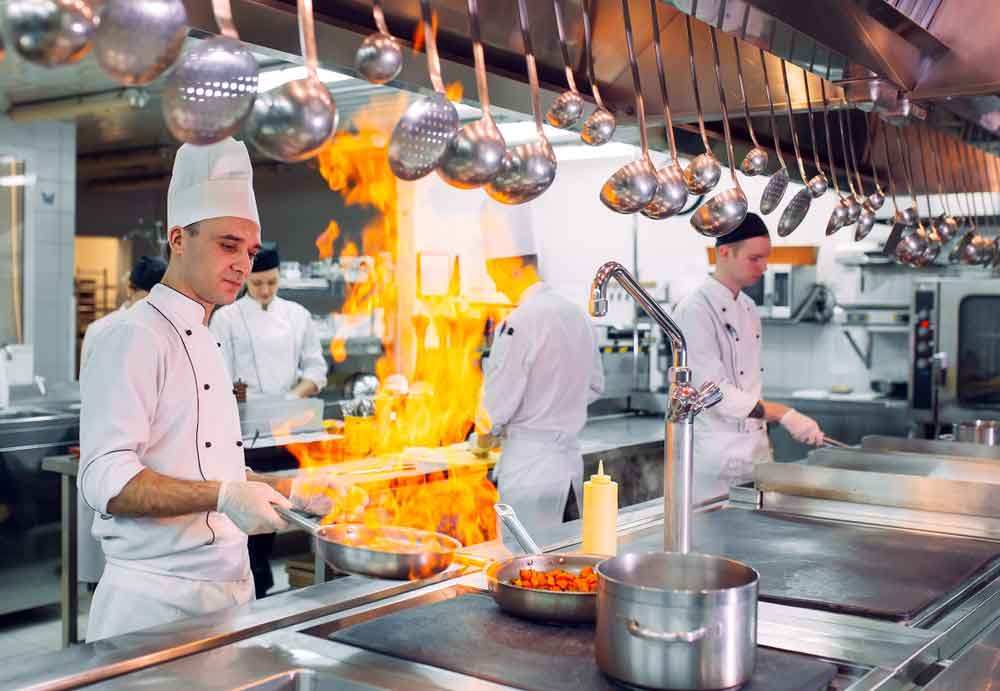
Commercial equipment finance allows you to spread the cost of restaurant kitchen equipment over fixed monthly repayments rather than paying upfront. This applies to everything from commercial ovens and refrigeration units to dishwashers, preparation benches, and ventilation systems.
Consider a café owner in Welshpool who needs to replace a failing commercial oven and add a second fridge to keep up with demand from the area's growing industrial workforce. The combined cost sits around $35,000. Rather than draining working capital, equipment finance lets them pay this off over three to five years while the equipment generates income. The repayments become predictable, and because the equipment itself serves as collateral, approval tends to move faster than unsecured lending.
The structure matters because kitchen equipment has a clear productive purpose. Lenders recognise that a combi oven or blast chiller directly supports revenue, which makes the proposition more straightforward than financing something with less obvious cashflow benefit. You're not asking for a favour, you're showing how the equipment pays for itself.
Chattel Mortgage and How It Works for Kitchen Fit-Outs
A chattel mortgage is a loan secured against the equipment you're buying. You own the equipment from day one, the lender holds a mortgage over it until the loan is repaid, and you claim depreciation and interest as tax deductible expenses.
This structure suits established restaurants or cafés that are profitable and want to maximise tax effective equipment purchases. The equipment goes straight onto your balance sheet, you control it entirely, and at the end of the term there's no residual payment because you already own it outright.
For a Welshpool hospitality business near the Welshpool Road precinct, a chattel mortgage makes sense when you're upgrading existing equipment and want full ownership immediately. If you're buying a $50,000 commercial kitchen setup including a six-burner range, extraction system, and cool room, the repayments are fixed, the interest is deductible, and you're depreciating the asset each year. It keeps cashflow predictable while reducing your taxable income.
Hire Purchase When You Want Ownership at the End
Hire purchase means you make regular repayments over the life of the lease, and ownership transfers to you once the final payment is made. Until that point, the lender technically owns the equipment, though you have full use of it.
This option works if your business is newer or if you prefer not to show the equipment as an asset on your books until it's fully paid off. The repayments are still fixed, and the total amount financed can include delivery and installation, which matters when you're fitting out a commercial kitchen and every cost adds up.
Welshpool has a solid base of food production and logistics businesses, and hire purchase is common among operators who want a clear pathway to ownership without the balance sheet impact of a chattel mortgage upfront. You still get the equipment working for you from day one, and once it's paid off, it's yours with no further obligations.
Equipment Leasing for Flexibility and Upgrades
Equipment leasing involves renting the equipment for a set period, usually two to five years, with the option to upgrade, return, or purchase it at the end. This suits businesses that need access to the latest technology or want to avoid obsolescence.
Restaurant kitchens increasingly rely on technology-driven equipment like programmable combi ovens, energy-efficient refrigeration, and automation equipment for food prep. Leasing means you can upgrade when newer models arrive without being locked into ownership of outdated plant and equipment.
The lease payments are typically tax deductible as an operating expense, and because you're not buying the equipment outright, your upfront capital stays available for other business needs like stock, staffing, or marketing. At the end of the lease term, you return the equipment and either lease the latest version or walk away. For kitchens where technology moves quickly, this keeps you current without constant capital outlays.
How Lenders Assess Restaurant Equipment Finance Applications
Lenders look at your business financials, time in operation, and the equipment's role in generating income. Most want to see at least six months of trading history, though some will consider startups if there's a solid business plan and deposit.
The equipment itself serves as collateral, which reduces the lender's risk and often speeds up approval. If you're buying a commercial dishwasher, cool room, or cooking range, the lender knows it has resale value and a clear purpose. They're less concerned with your personal assets and more focused on whether the business can manage the repayments.
For Welshpool businesses, particularly those in the Kewdale and Welshpool industrial area, many applicants are established operators upgrading or expanding. Lenders recognise the area's commercial strength, which can work in your favour. If you're buying new equipment or upgrading existing equipment, having recent financials and a clear explanation of how the equipment supports revenue makes the process smoother. You can explore truck and equipment finance options to get a sense of how different lenders structure their offers.
Tax Benefits and Cashflow Considerations
Most commercial equipment finance structures allow you to claim interest, lease payments, or depreciation as tax deductible, depending on whether you're using a chattel mortgage, hire purchase, or lease. This reduces your taxable income and improves the real cost of the equipment.
Fixed monthly repayments also let you manage cashflow with confidence. You know exactly what's due each month, which makes budgeting straightforward and removes the uncertainty that comes with variable costs. For a restaurant operating on tight margins, that predictability matters.
Buying equipment without cash also means your working capital stays liquid. If you're spending $40,000 on a kitchen fit-out, keeping that money in the business for stock, wages, or unexpected repairs can be the difference between riding out a quiet month and scrambling to cover costs. Finance turns a large one-off expense into a manageable operating cost, and the tax treatment softens the impact further.
When Upgrading Makes More Sense Than Repairing
Older kitchen equipment often becomes expensive to maintain, inefficient to run, and less reliable during service. At a certain point, upgrading delivers better value than continuing to repair.
A Welshpool café near the train station might have a ten-year-old commercial fridge that's struggling to hold temperature and driving up power bills. Repairing it might cost $3,000, but a new energy-efficient model financed over four years costs $200 a month and cuts electricity use by 30%. The equipment pays for itself through lower running costs and fewer breakdowns, and the business avoids the risk of losing stock to a failed fridge during a heatwave.
This is where asset finance becomes a planning tool rather than a response to crisis. If equipment is nearing the end of its productive life, financing a replacement before it fails keeps the business running smoothly and turns an unpredictable cost into a predictable one.