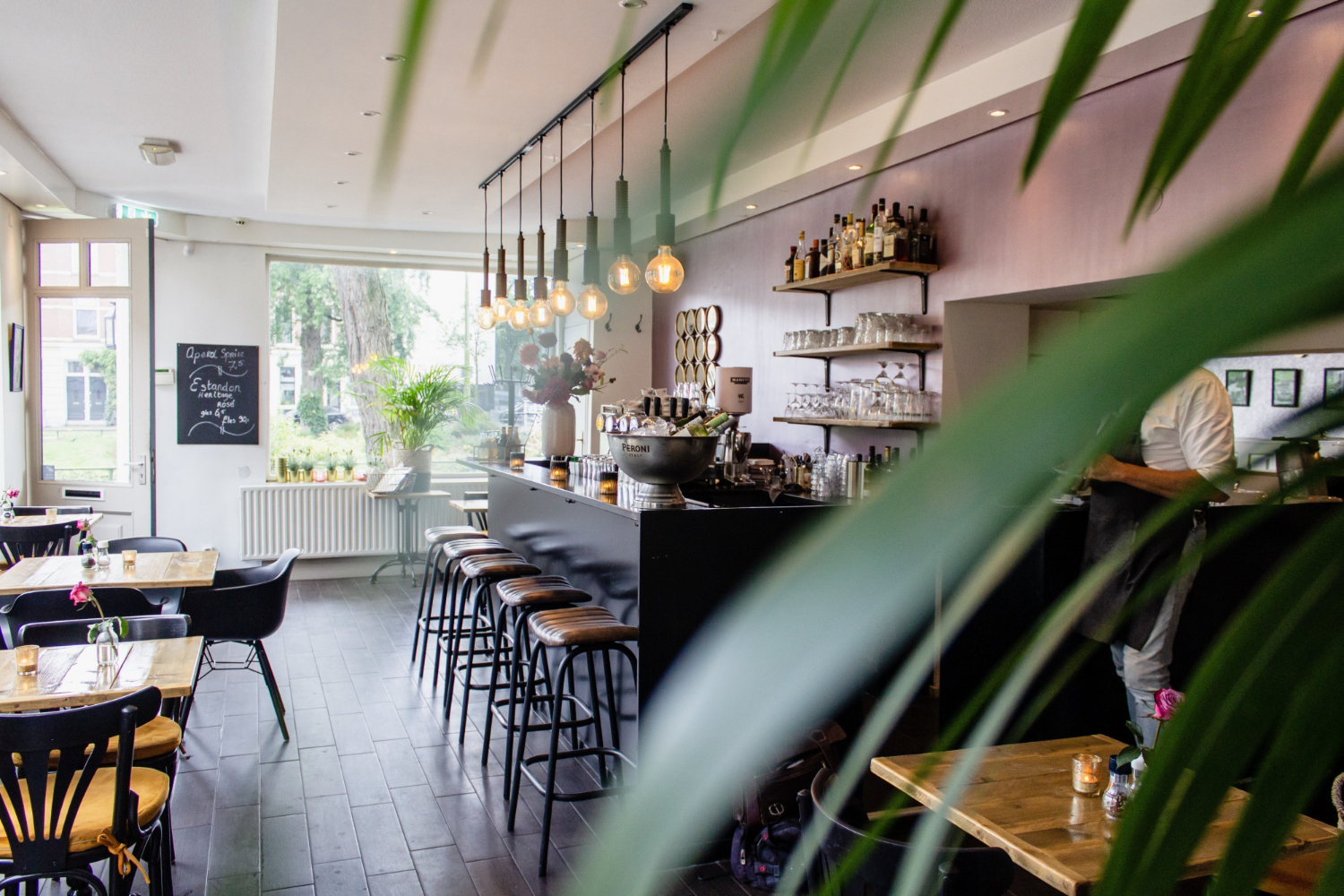
A restaurant fitout in Welshpool can run anywhere from $80,000 to $250,000 depending on whether you're working with an existing shell or building from scratch.
Most operators we speak to underestimate what they'll need once they factor in commercial kitchen equipment, exhaust systems, refrigeration, point of sale technology, furniture, and the inevitable design changes that happen mid-build. Paying upfront ties up capital you'd rather keep for stock, wages, and the inevitable slow weeks when you first open. Asset finance lets you spread the cost while keeping your working capital available for the day-to-day running of the business.
What Qualifies as Equipment Finance for a Restaurant Fitout
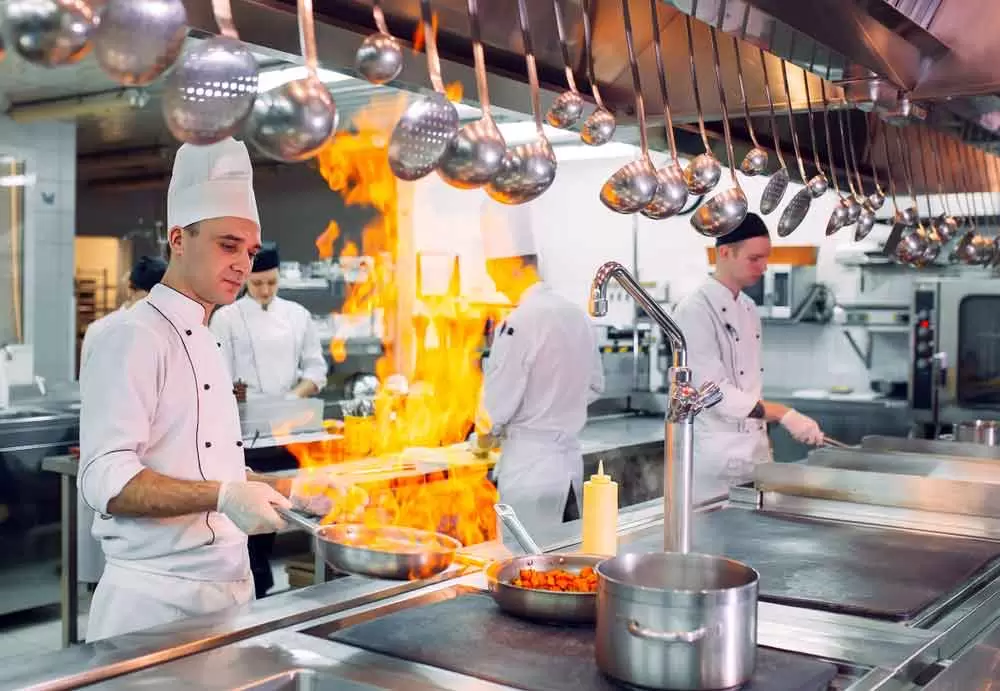
Commercial equipment finance covers anything tangible you're installing or purchasing for the venue. Kitchen equipment like ovens, fryers, grills, and dishwashers are the obvious inclusions, but refrigeration units, coolrooms, coffee machines, bar equipment, and even booth seating usually qualify. The finance is secured against the equipment itself, which is why lenders are comfortable funding these purchases even for newer businesses.
Soft costs like architects' fees, design work, or council permits don't typically fall under equipment finance because there's no physical asset to secure the loan against. Some operators structure their fitout with a mix of equipment finance for the hard assets and a separate business loan or working capital facility for the professional fees and compliance costs.
Why Welshpool Venues Often Choose Chattel Mortgage Structures
A chattel mortgage lets you own the equipment from day one while making fixed monthly repayments over an agreed term, usually three to seven years. You claim the GST upfront if you're registered, and the equipment goes on your balance sheet so you can claim depreciation each year. For a restaurant fitout, this means the $120,000 worth of kitchen and dining equipment depreciates according to the applicable rate for each item, reducing your taxable income.
Consider a Vietnamese restaurant opening near the Welshpool industrial precinct. The operator structured a $140,000 fitout using a chattel mortgage over five years. They claimed back the GST immediately, reducing the effective cost to around $127,000, and started depreciating the equipment from the first month of operation. The fixed monthly repayments made budgeting predictable, and because they owned the assets from the start, they could modify or upgrade individual pieces without needing lender approval.
How Balloon Payments Affect Monthly Cashflow
A balloon payment is a lump sum due at the end of the loan term, usually between 20% and 40% of the original loan amount. Setting a balloon reduces your fixed monthly repayments, which can be useful in the first year when you're still building a customer base and refining your menu. The downside is that you'll need to refinance, pay out, or sell the equipment when the balloon falls due.
For hospitality equipment finance, balloon payments work well if you're planning to upgrade or refresh the fitout within five years anyway. The monthly cashflow relief in the early years often outweighs the cost of refinancing later. If you're setting up a concept you expect to run for a decade without major changes, paying the loan down fully over the term usually makes more sense.
Leasing vs Ownership for Restaurant Equipment
A finance lease keeps the equipment off your balance sheet and lets you upgrade at the end of the lease term without dealing with disposal or resale. Monthly payments are fully deductible as an operating expense, but you don't own the equipment and you can't claim depreciation. This structure suits operators who want to refresh their venue regularly or who are leasing the premises short-term and don't want to be stuck with owned equipment if they relocate.
Ownership through a chattel mortgage or hire purchase makes more sense if you're fitting out a venue you plan to operate long-term or if you want flexibility to modify equipment as your menu evolves. Owning the coffee machine, for example, means you can upgrade the grinder or add a second group head without negotiating lease amendments.
Structuring Finance Around Your Opening Timeline
Most lenders want to see the equipment ordered or the supplier invoice before they release funds, which means you need approval in place before your builder starts. The lag between approval, equipment delivery, and installation can stretch over weeks, so starting the finance conversation before you sign the lease avoids delays later.
Welshpool has a solid mix of industrial, warehouse, and commercial hospitality spaces, and fitout timelines vary depending on whether you're working with a converted warehouse or a former cafe site. A fit-for-purpose space with existing plumbing and exhaust infrastructure shortens the timeline, while a blank warehouse conversion can add months. Aligning your finance drawdown with when you actually take possession of the equipment means you're not paying interest on funds sitting in your account waiting for the builder to finish.
What Lenders Look for When Assessing Hospitality Equipment Finance
Lenders assess the equipment itself, your business plan, and your ability to service the loan from projected revenue. A detailed fitout quote, floor plan, and menu costings strengthen your application because they show you've thought through the operational side of the business, not just the concept. If you're a first-time operator, some lenders will want to see hospitality experience on your CV or a solid financial track record in another industry.
The equipment itself acts as collateral, but because commercial kitchen equipment depreciates quickly and has a limited resale market, lenders usually cap the loan at 80% to 90% of the invoice value. Bringing a deposit or contributing some equity upfront improves your approval odds and sometimes unlocks better rates. Most lenders also want a personal guarantee from the directors, which means your personal assets are on the line if the business doesn't perform.
Using Vendor Finance or Dealer Arrangements
Some commercial kitchen suppliers offer vendor finance directly, which can speed up the process if you're buying a full package from one supplier. The convenience is real, but the interest rate is often higher than what you'd get by arranging your own finance through a broker who can compare options from multiple lenders. Vendor finance works well for smaller purchases or if you're adding a single piece of equipment to an existing venue, but for a full fitout, shopping around usually saves several percentage points on the rate.
Dealer finance through equipment distributors follows a similar pattern. It's structured for speed rather than cost, and the terms are typically less flexible than a loan arranged independently. If your supplier is offering a discount for paying upfront, running the numbers with your own finance option might let you take the discount and still pay less overall than the dealer's quoted rate.
How to Preserve Working Capital During the Fitout
The most common mistake we see is operators spending every dollar on the fitout and opening with no buffer for the first few months of trading. Rent, wages, stock, utilities, and marketing don't pause while you're building your customer base, and most venues take three to six months to hit consistent revenue. Financing the fitout instead of paying cash leaves capital available for those early weeks when bookings are sporadic and word of mouth hasn't built yet.
A brewery-style venue near Welshpool's Roe Highway precinct financed $180,000 worth of brewing equipment, refrigeration, and seating over seven years. They kept $60,000 in reserve for stock, wages, and the first quarter's rent. When foot traffic was slower than expected in the first six weeks, they ran targeted promotions and adjusted their menu pricing without needing to tap external funding or delay supplier payments. The finance structure let them open fully equipped without burning through their safety net.
Managing Upgrades and Equipment Replacement Over Time
Hospitality equipment doesn't all depreciate at the same rate. A commercial oven might last 10 years, but a coffee machine in a busy venue often needs replacing or major servicing after five. Structuring your initial fitout finance with this in mind means you're not trying to refinance the entire loan just to replace one piece of equipment.
Some operators split their fitout into two finance agreements: one for the core kitchen equipment with a longer term, and another for front-of-house technology and furniture with a shorter term that matches the expected upgrade cycle. By the time the point of sale system or dining furniture needs refreshing, that portion of the loan is already paid down or close to it, and you can finance the upgrade separately without overlapping debt.
If you're ready to talk through how commercial equipment finance could work for your Welshpool venue, call one of our team or book an appointment at a time that works for you.