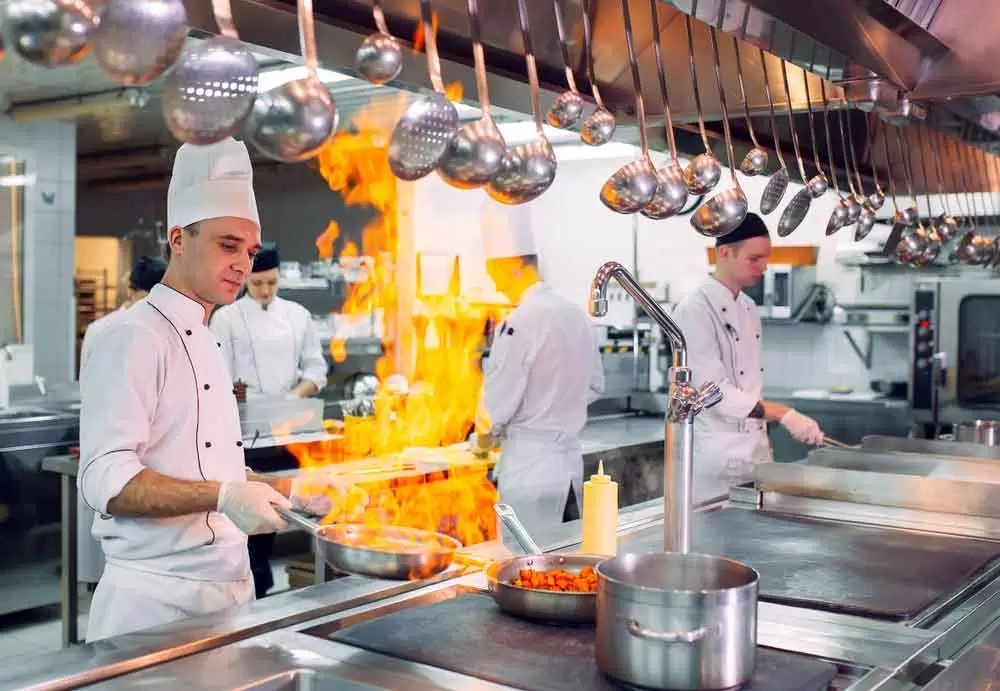
Restaurant equipment doesn't wait for your cash reserves to catch up.
Whether you're replacing a failing combi oven in an O'Connor cafe or fitting out a new kitchen on Macpherson Street, equipment finance lets you spread the cost over time while the gear starts earning from day one. The commercial kitchen you operate today probably needs different equipment than it did three years ago, and waiting until you've saved the full amount means falling behind on efficiency, compliance, and what your customers expect.
How commercial equipment finance works for hospitality businesses
Commercial equipment finance is a loan secured against the equipment itself. You choose what you need, the lender advances the funds to the supplier, and you repay the amount over an agreed term with fixed monthly repayments. The equipment acts as collateral, which typically means you can access finance even if you don't own commercial property. Most agreements run between two and five years depending on the expected life of the equipment.
Consider a cafe owner replacing a three-group espresso machine and grinder. The equipment costs around $18,000. Rather than depleting working capital, they structure the purchase through a chattel mortgage with a four-year term. The cafe keeps its cash reserves for wages and stock, the new machine improves shot consistency and speed, and the repayments are tax deductible as a business expense.
Why O'Connor's food scene makes equipment upgrades a regular requirement
O'Connor sits between the Australian National University and the city, with a customer base that expects quality and turnaround speed. The dining precinct along Macpherson Street and surrounding streets serves students, professionals, and locals who notice when your kitchen can't keep pace. Equipment that was adequate five years ago often isn't now, particularly as health regulations tighten and competition grows.
Upgrading existing equipment through finance means you're not choosing between a new oven and payroll. In our experience, hospitality operators in this area are more likely to defer equipment purchases too long rather than act too quickly, which eventually costs more in downtime, repairs, and lost customers. Finance options let you replace or add equipment when it makes operational sense, not just when the bank account allows it.
Chattel mortgage versus hire purchase for restaurant equipment
A chattel mortgage and a hire purchase agreement both finance equipment, but they work differently. With a chattel mortgage, you own the equipment from day one and the lender holds a mortgage over it. You claim depreciation and the interest portion of repayments as tax deductions. With hire purchase, you don't own the equipment until the final payment is made, but the full repayment amount is generally tax deductible.
For most established restaurants and cafes, a chattel mortgage makes more sense because you get the depreciation benefit and can structure a residual payment at the end of the term to lower your monthly commitment. Hire purchase works if you want the maximum immediate deduction or if your business structure doesn't benefit much from claiming depreciation. The right structure depends on your turnover, tax position, and whether you plan to keep or replace the equipment at the end of the term.
What equipment qualifies and what lenders look for
Most commercial kitchen equipment qualifies for finance: combi ovens, dishwashers, refrigeration, food preparation tables, exhaust systems, point-of-sale systems, and even fit-out elements like coolrooms. The equipment needs to have a clear resale value and an expected working life that matches or exceeds the loan term. Lenders also finance work vehicles if you operate a catering business or mobile food service.
Lenders assess your application based on time in business, turnover, and your ability to service the repayments from revenue. If you've been operating for more than two years and can show consistent income, the process is usually straightforward. Newer businesses may need a larger deposit or a director guarantee, but buying new equipment through finance is still more accessible than securing an unsecured business loan for the same amount.
The tax treatment that makes equipment finance cashflow friendly
Equipment finance is tax effective because the repayments and depreciation reduce your taxable income. If you purchase equipment outright, you still claim depreciation, but you've spent the cash upfront. Financing the equipment means you keep that cash in the business to manage cashflow, cover wages, and handle the inevitable quiet weeks.
Under instant asset write-off provisions that apply to eligible businesses, you may be able to claim an immediate deduction for the equipment cost rather than depreciating it over several years. The rules change periodically and depend on your business size and the date of purchase, so it's worth speaking to your accountant before committing. Even without instant write-off, the deductibility of repayments and depreciation makes the actual after-tax cost of finance much lower than the headline interest rate suggests.
When replacing equipment is more viable than repairing it
Repair costs on ageing kitchen equipment add up quickly, and older machines often fail during your busiest periods. If you're spending more than 30% of replacement cost on annual repairs, or if the equipment no longer meets current health and safety standards, replacement usually makes more financial sense. Access to equipment finance options from banks and lenders across Australia means you can replace failing equipment without waiting for a capital injection.
As an example, a restaurant near Macarthur Avenue was nursing a 12-year-old combi oven with regular service callouts costing around $4,000 a year. The oven finally failed during a winter weekend when bookings were strong. Replacing it through finance cost around $680 a month over four years. The new oven used less energy, had better temperature control, and came with a manufacturer warranty. The monthly repayment was less than the previous year's repair bills spread over twelve months, and the kitchen could rely on it during peak service.
How to structure repayments around your revenue cycle
Most lenders offer fixed monthly repayments, which makes budgeting predictable. Some also allow you to structure a residual payment, sometimes called a balloon payment, at the end of the term. A residual reduces your monthly commitment, which can help manage cashflow in the early stages after you've made a significant equipment purchase. At the end of the term, you can pay out the residual, refinance it, or trade in the equipment and upgrade.
For seasonal hospitality businesses, the residual option is particularly useful. You keep more cash available during quieter months and can pay down or refinance the residual when revenue is stronger. The residual amount is typically between 10% and 30% of the loan amount, depending on the term and the equipment type.
What the application process looks like
You'll need recent business financials, usually your last two years of tax returns or BAS statements if you've been operating for less time. Lenders also want a quote or invoice for the equipment, proof of ABN and GST registration, and identification for directors or partners. If the equipment is part of a larger fit-out or renovation, the lender may ask for a breakdown to separate the financed equipment from other costs.
The assessment usually takes between 48 hours and a week, depending on the lender and the loan amount. Once approved, funds go directly to the supplier, and you take delivery. Because the equipment is the security, lenders don't usually require a mortgage over property, which keeps the process faster and less intrusive than applying for a commercial loan secured against real estate.
Choosing equipment that holds value and suits your term length
Some equipment holds value better than others. High-quality European combi ovens, commercial refrigeration from established brands, and stainless steel prep equipment all have strong resale markets. Lenders are more willing to finance equipment that retains value because it lowers their risk if the loan defaults. Cheaper or highly specialised equipment may require a shorter term or a higher deposit.
Match your loan term to the expected working life of the equipment. A commercial dishwasher might last seven years, but financing it over five years ensures you're not still paying for it after it's worn out. Shorter terms mean higher repayments but lower total interest, and you own the equipment outright sooner. Longer terms reduce the monthly cost but increase the total amount repaid. Your broker can model different structures to show what works with your revenue and turnover.
Call one of our team or book an appointment at a time that works for you. We'll walk through what you're looking to finance, how the different structures compare, and what repayment terms fit your business without leaving you stretched when other costs come up.