Financing salon equipment means you can set up or upgrade your space without paying the full cost upfront.
For salon owners in Pinjarra, the decision usually comes down to whether you want to preserve working capital or avoid interest payments. Both choices make sense depending on where your business sits right now. A new salon fitting out a premises on Pinjarra Road might need to keep cash reserves for stock, wages and marketing during those first few months. An established salon replacing ageing styling chairs or upgrading to modern colour processors might prefer to pay outright if the funds are available. The distinction matters because the wrong choice can either strain your cashflow or leave you without the tools to grow.
Why Salon Owners Choose Equipment Finance
Equipment finance lets you spread the cost of salon fit-outs, styling stations, backwash units, dryers, colour processors and other essential items across fixed monthly payments. You can access what you need when you need it, rather than waiting until you've saved the full amount. For salons opening in Pinjarra's growing residential areas around the Murray River precinct, that timing can be the difference between capturing new clients or losing them to established competitors.
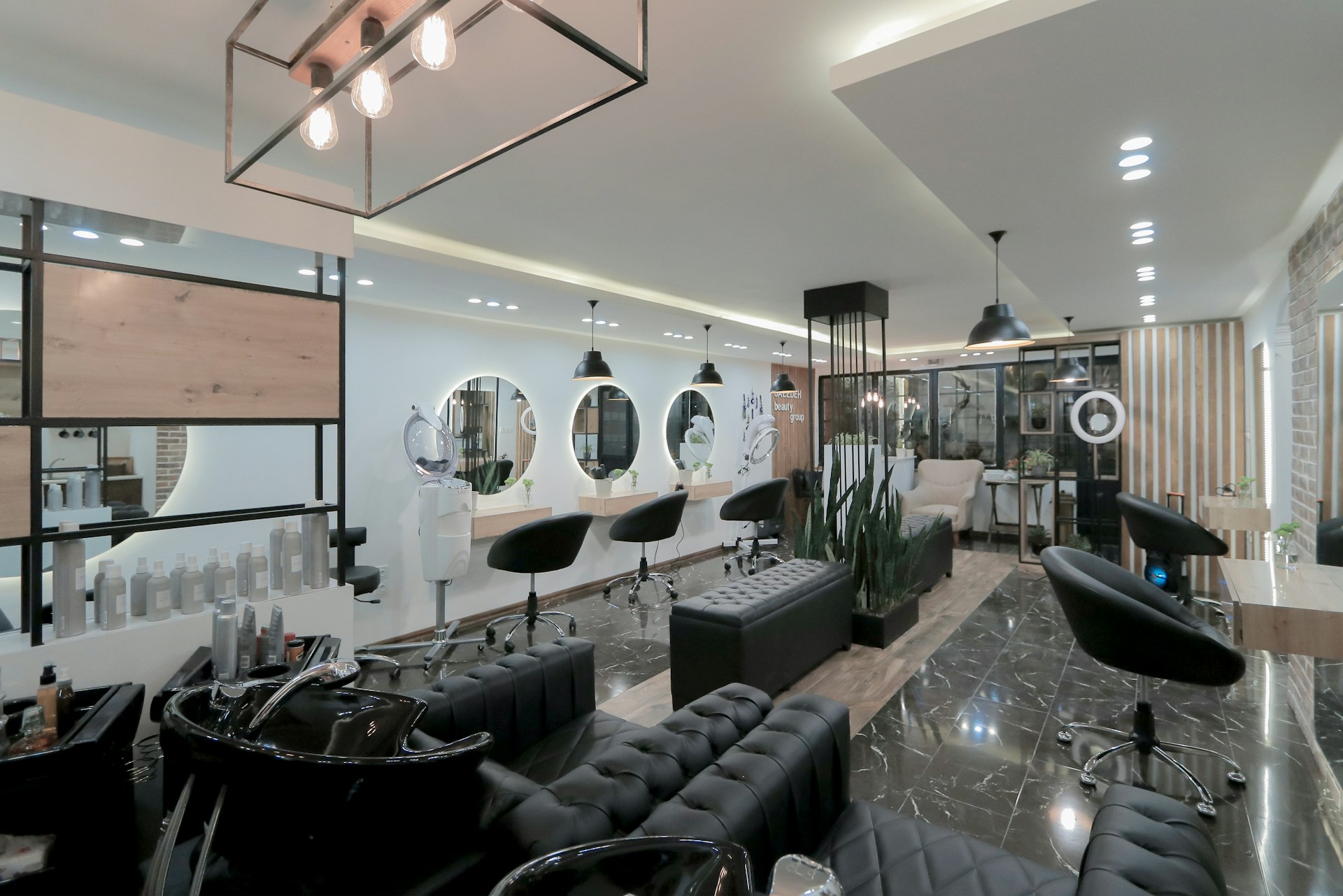
Consider a salon owner fitting out a new tenancy with six styling stations, three backwash units, a colour mixing station and reception furniture. The total might run to $60,000 or more. Paying that upfront would drain most startup reserves, leaving little for stock, insurance, marketing or the inevitable unexpected costs that come with any new venture. Through equipment finance, those same items can be acquired with monthly repayments that match the income the equipment helps generate.
The tax treatment adds another layer of benefit. Equipment purchases are typically tax deductible, and the structure you choose affects how quickly you can claim those deductions. A chattel mortgage, for instance, means you own the equipment from day one and can claim depreciation while the interest portion of each payment is also deductible. Finance lease arrangements work differently but still deliver tax benefits. The specifics depend on your business structure and circumstances, which is where your accountant earns their keep.
The Downsides You Should Consider
Borrowing money costs money. The interest you pay over the life of a finance agreement adds to the total cost of whatever you're purchasing. Depending on the loan amount, the term and the interest rate, you might pay several thousand dollars more than the sticker price. For equipment that holds its value poorly or becomes outdated quickly, that additional cost can feel like poor value.
Fixed monthly repayments create an ongoing obligation regardless of how your salon performs. A quieter winter period or an unexpected closure due to illness or family commitments doesn't pause your payment schedule. You'll need to factor those repayments into your cashflow planning alongside rent, wages, utilities and stock costs. Salons operating on tight margins need to be realistic about whether the income from new equipment will reliably cover the repayments.
There's also the question of flexibility. Some finance agreements include early exit fees or conditions around upgrading equipment before the term ends. If your salon grows faster than expected or new technology emerges that makes your financed equipment redundant, you may find yourself locked into payments for items you no longer want or need. The terms vary significantly between lenders, so understanding the fine print before you commit matters more than most people realise at the point of signing.
When Buying Outright Makes More Sense
Paying cash avoids interest charges entirely. If you've got the funds available and the purchase won't leave you uncomfortably exposed, buying outright is the most cost-effective approach. You own the equipment immediately, there are no ongoing payment obligations, and you've got complete freedom to sell, upgrade or modify without needing lender approval.
For established Pinjarra salons replacing individual items like a styling chair or a colour processor, the cost might be manageable without finance. A $3,000 chair paid from business savings doesn't add interest charges, doesn't require credit applications, and doesn't create another monthly commitment. The same logic applies to smaller upgrades like new dryers, styling tools or reception furniture.
The tax treatment remains valuable even when paying cash. You still claim depreciation on the equipment, though the cashflow benefit is spread over several years rather than delivered through regular interest deductions. Your accountant can model both scenarios to show you which approach delivers the better outcome for your specific circumstances.
How the Two Approaches Affect Cashflow Differently
Cashflow is where the finance versus purchase decision plays out in practical terms. A salon spending $40,000 on equipment through a chattel mortgage might pay around $900 per month over five years, depending on the interest rate. That same salon paying cash loses $40,000 from its working capital immediately.
The financed approach keeps more cash in the business for other purposes. Wages, stock, marketing, emergency repairs and seasonal dips all become more manageable when you're not starting from a depleted bank balance. For newer salons still building their client base, that buffer can be critical. In our experience, salons that preserve working capital during the setup phase handle the inevitable surprises with less stress and fewer compromises.
The cash purchase gives certainty and control. You know the exact cost, you're not committed to future payments, and you're not reliant on maintaining lender relationships or meeting ongoing obligations. For salons with established cashflow and healthy reserves, that simplicity and cost saving might outweigh the flexibility that finance provides. The right answer depends on how secure your income is and how much capacity you have to absorb unexpected costs without external help.
What Works for Most Pinjarra Salon Owners
Most salon owners we work with in Pinjarra use a combination of both. Major fit-outs and high-value equipment purchases get financed to preserve working capital. Smaller items and upgrades get paid from business income as they arise. That hybrid approach balances cost, flexibility and cashflow in a way that suits the lumpy nature of salon expenses.
If you're opening a new salon or undertaking a significant upgrade, business loans or asset finance arrangements give you access to what you need without emptying your reserves. If you're replacing individual items or adding to an existing setup, buying outright keeps things straightforward and avoids unnecessary interest charges. Neither approach is wrong, but one will suit your circumstances better than the other.
Call one of our team or book an appointment at a time that works for you. We'll look at what you're planning, what you've got available, and which approach leaves you in the strongest position to run your salon without constantly worrying about whether you've got enough in the bank.