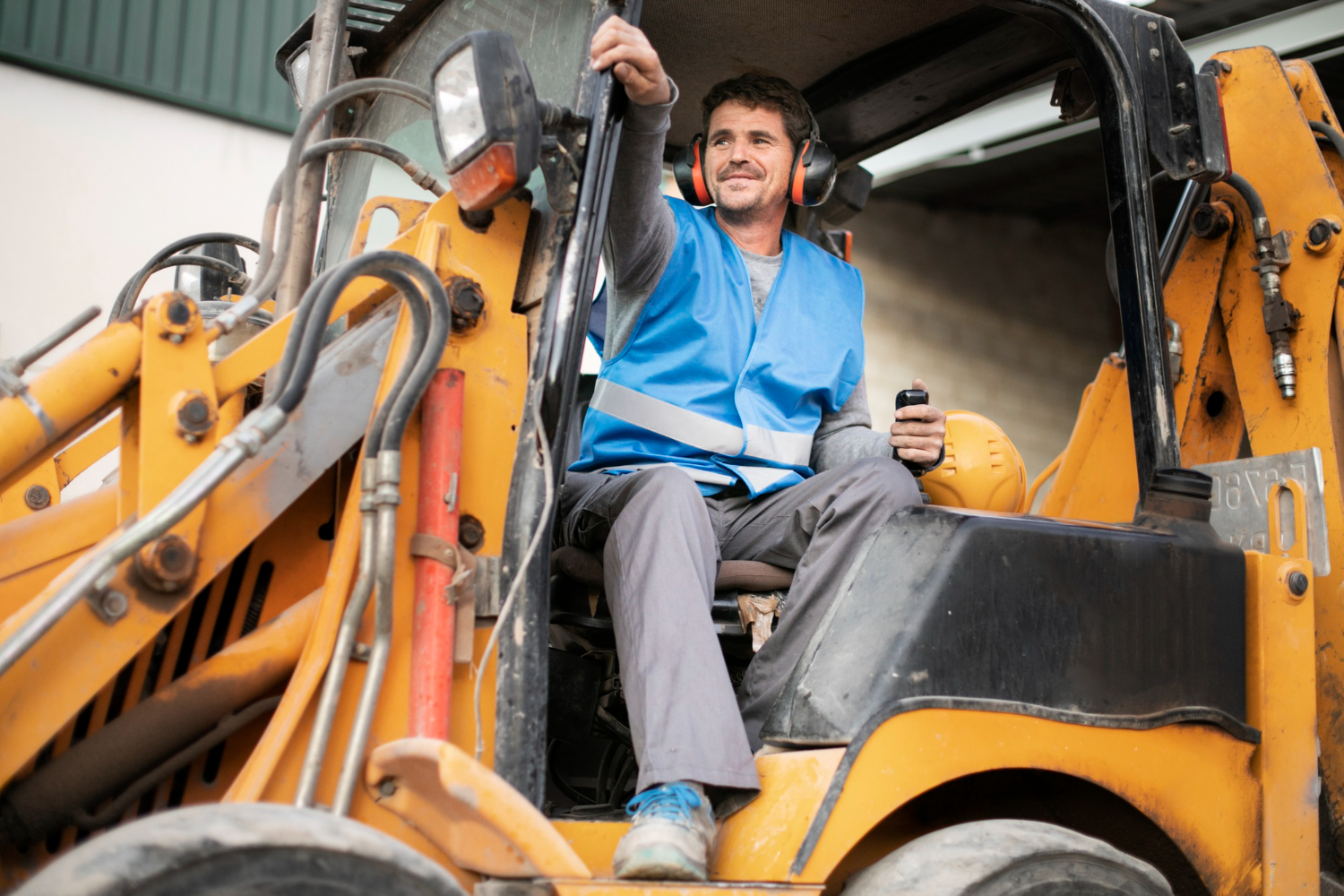
Earthmoving equipment finance lets you put machinery to work before you've paid for it in full.
For Perth-based contractors, earthworks businesses and site preparation crews, the question isn't whether you need a dozer, excavator or grader. It's whether you should pay cash for it or finance it. The answer usually depends on how quickly the machine will earn back its cost, what your cashflow looks like right now, and whether you'd rather keep capital in the business than sink it into depreciating metal.
The Main Advantage: Equipment Pays for Itself While You Pay It Off
Financing earthmoving machinery means the equipment can start generating income immediately while you make fixed monthly repayments. A civil contractor picking up a three-year project in the northern corridor might finance a 20-tonne excavator with a five-year term. The monthly repayment stays consistent, the excavator works on-site within days, and the contract revenue covers the cost while leaving working capital available for wages, fuel and materials. The machine doesn't sit idle waiting for you to save the full purchase amount.
Tax Treatment for Heavy Plant and Equipment
Under a chattel mortgage structure, you own the machinery from day one, claim the full GST credit upfront, and deduct both depreciation and interest as business expenses. For earthmoving equipment, the instant asset write-off threshold may not cover the full purchase price of larger machines like dozers or graders, but you can still depreciate the asset and deduct interest over the loan term. Monthly repayments stay predictable, the equipment appears on your balance sheet, and at the end of the term you own it outright with no balloon or residual payment.
How Lenders Assess Earthmoving Equipment Applications
Lenders look at your business trading history, existing debt commitments, and whether the equipment matches your revenue.
A Perth-based contractor applying for finance on a second excavator will need recent financials showing the business can service the additional repayment without stretching cashflow. If you've been trading for less than two years, some lenders require a higher deposit or personal guarantee. The equipment itself acts as collateral, so age, hours, make and condition all influence the loan amount a lender will approve. Older machines with high hours may require a larger deposit or attract a higher interest rate because resale value drops quickly in the second-hand market.
The Downside: You Pay Interest and the Equipment Still Depreciates
Financing costs more than paying cash because you're covering the interest rate over the life of the lease or loan term. A $150,000 grader financed over five years at a typical commercial rate will cost significantly more than $150,000 by the time the final payment clears. The equipment also loses value from the moment it's delivered. Heavy plant depreciates faster than office equipment or vehicles, and if the machine sits unused between projects, you're still making repayments on an asset that's dropping in value and not earning income.
When Leasing Makes More Sense Than Buying
If you need the equipment for a fixed-term contract and don't want to own it long-term, an operating lease or rental might suit your business better than purchasing. Leasing typically involves lower monthly repayments because you're only covering the depreciation during the lease period, not the full purchase price. At the end of the lease, you hand the equipment back or upgrade to newer machinery. This works well for contractors who prefer access to the latest technology without the burden of ownership or resale.
Matching Loan Terms to Equipment Lifespan
Financing a dozer over seven years when its productive lifespan on your worksite is only four years leaves you paying for machinery that's already been replaced or sold. Match the loan term to how long you'll actually use the equipment. A contractor running a three-year earthworks contract might choose a three or four-year term so the debt clears around the same time the project wraps up. Stretching the term reduces monthly repayments but increases total interest paid and raises the risk that the machine's resale value falls below what you still owe.
What Happens If You Sell the Equipment Before the Loan Ends
You can sell financed earthmoving equipment, but the lender holds security over it until the debt is cleared. The sale proceeds go to the lender first to pay out the remaining balance, and you receive whatever's left. If the equipment has depreciated faster than the loan balance has reduced, you'll need to cover the shortfall from your own funds. This scenario is common with heavy plant purchased on long loan terms or with minimal deposit, especially if the machine has high hours or needs costly repairs that reduce resale value.
Hire Purchase vs Chattel Mortgage for Earthmoving Machinery
Both structures let you own the equipment at the end, but they differ in tax treatment and upfront costs. Under hire purchase, the lender owns the equipment until the final payment, you can't claim the GST upfront, and repayments include both principal and interest with GST applied to the interest portion. Under a chattel mortgage, you own the equipment from the start, claim the full GST credit immediately, and deduct depreciation and interest as business expenses. For Perth contractors registered for GST and buying new equipment, a chattel mortgage usually offers better cashflow and tax outcomes. Hire purchase may suit buyers with limited deposit or those purchasing used equipment where GST doesn't apply.
Why the Deposit Amount Affects Your Approval and Rate
A larger deposit reduces the loan amount, lowers the lender's risk, and often improves the interest rate you're offered. Earthmoving equipment loses value quickly, so lenders want to see that the loan balance stays below the equipment's market value throughout the term. A 20% deposit on a $200,000 excavator gives the lender more security than a 10% deposit, and that security often translates into a lower rate and fewer conditions on approval. If your business has strong financials and consistent revenue, you may secure approval with a smaller deposit, but expect the rate to reflect the higher risk.
If you're weighing up whether to finance earthmoving machinery or exploring the right structure for your contracting business, our team at Freo Finance works with truck and equipment finance lenders across Australia who understand heavy plant and civil construction. We'll look at your current position, the equipment you need, and the contracts you're working on, then match you with a finance option that fits your cashflow and business plans. Call one of our team or book an appointment at a time that works for you.