Fitness equipment finance lets you spread the cost over time
Buying new equipment through finance means you pay a fixed monthly amount instead of the full purchase price upfront. The equipment itself acts as security for the loan, which keeps the structure straightforward and means you can preserve working capital for rent, wages and marketing while still upgrading your gym floor or studio.
Consider a Pilates studio in Osborne Park adding six reformers and associated props. The total cost sits around $45,000, which would otherwise tie up funds needed for instructor wages and a upcoming lease renewal. Through equipment finance, the studio spreads that cost over three years with fixed monthly repayments, and the equipment is available for client bookings from day one. The monthly outgoing is covered by the additional class revenue those reformers generate.
Commercial equipment finance structures suit different business models
A chattel mortgage gives you immediate ownership of the equipment while you repay the loan amount. You claim the GST upfront, depreciate the asset, and deduct the interest portion of each repayment. This structure works well for established businesses with consistent revenue.
Hire purchase keeps ownership with the lender until the final payment, which can suit newer operators or those who prefer a slightly different tax treatment. Both options deliver fixed monthly repayments, which makes budgeting predictable when you are managing membership fluctuations or seasonal changes in bookings.
Osborne Park's industrial precinct brings specific equipment needs
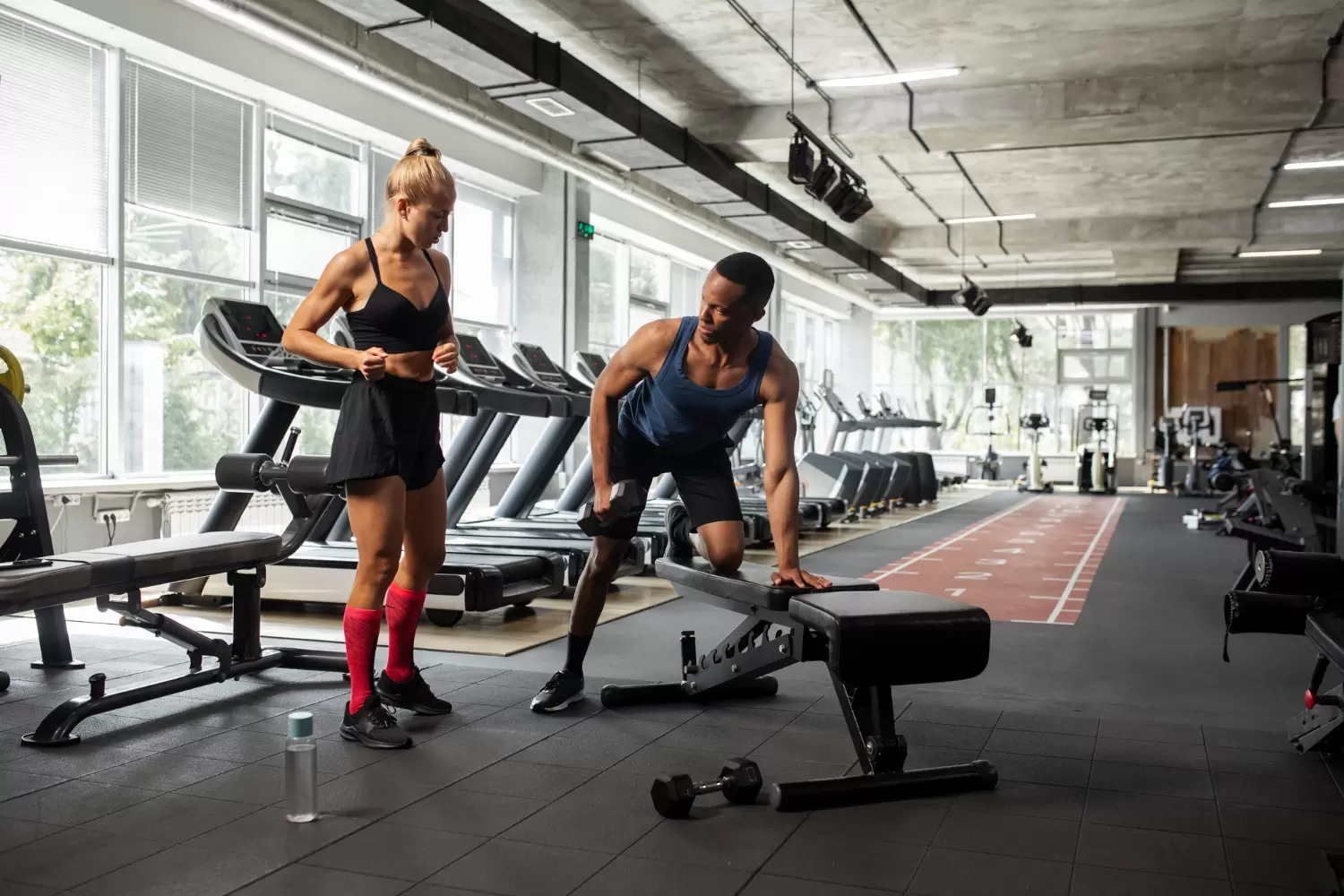
The mix of commercial gyms, corporate wellness centres and boutique studios around Main Street and Hutton Street means equipment requirements vary widely. A 24-hour gym might prioritise heavy-duty treadmills, rowers and plate-loaded machines built for constant use. A yoga and barre studio needs mirrors, barres, mats and sound equipment. A physiotherapy clinic adding a rehabilitation gym requires specialized cable machines, resistance bands and balance equipment.
Each setup has a different price point and expected lifespan. Finance lets you match the repayment term to how long the equipment will remain productive. Cardio machines with high usage might suit a three-year term, while strength equipment built to last a decade can stretch over five years if your cashflow supports a longer commitment.
Tax deductions make the real cost lower than the sticker price
When you finance equipment used in your business, the interest component of each repayment is tax deductible. You also claim depreciation on the equipment itself, which reduces your taxable income over the life of the asset. For fitness equipment, the Australian Taxation Office generally accepts a depreciation rate that reflects the wear and tear from daily use.
In practical terms, a $60,000 equipment purchase financed over four years might have monthly repayments around $1,400. The interest and depreciation deductions mean the after-tax cost to your business is lower than that figure suggests. Your accountant will calculate the exact benefit based on your business structure and income, but the principle holds across sole traders, partnerships and companies.
Upgrading existing equipment without disrupting cashflow
A functional training gym might have older equipment that still works but no longer meets member expectations. Replacing ten pieces of equipment in one go could cost $80,000, but doing it gradually means your gym looks dated for another two years while competitors attract members with newer setups.
Finance lets you replace the entire floor now and spread the cost over a manageable term. Members see the upgrade immediately, which supports retention and word-of-mouth referrals. The equipment pays for itself through continued memberships and new sign-ups, rather than waiting until you have saved the full amount and risked losing members in the meantime.
How the application process works for fitness equipment
Lenders want to see that your business generates enough revenue to cover the monthly repayments comfortably. They will ask for recent financial statements, bank statements showing your trading account activity, and a quote or invoice for the equipment you are buying. If your business is newer, they may also consider personal financials or other security.
The equipment itself serves as collateral, which means the lender's risk is reduced and you do not need to offer property or other assets as security in most cases. Approval can happen within a few days for straightforward applications, and settlement follows once the supplier confirms the equipment is ready for delivery or installation.
Leasing gives you flexibility to upgrade regularly
Some studios and gyms prefer equipment leasing, where you pay to use the equipment over a set period and return it or upgrade at the end of the lease. This suits businesses that want access to the latest technology without owning equipment that may become outdated. Cardio machines with digital screens, connectivity features and software updates are typical candidates for leasing, because technology moves quickly and members notice when equipment feels old.
The life of the lease is usually two to five years. At the end, you can lease newer models, purchase the equipment for a residual value, or simply hand it back. Monthly payments tend to be slightly higher than a chattel mortgage because you are paying for the convenience of upgrading, but you avoid owning depreciating assets long-term. For operators who want to refresh their offering regularly, leasing is worth comparing against ownership structures.
What lenders consider when assessing fitness businesses
Membership-based businesses have predictable income streams, which lenders view favorably. They will look at your average member retention, monthly recurring revenue, and how long the business has been operating. A gym with 200 members paying $60 per week demonstrates consistent cashflow, which supports a larger loan amount than a new studio still building its client base.
If your business is newer or your financials are still developing, you might need a larger deposit or a shorter loan term. Lenders also consider the type of equipment. Established brands with strong resale value are easier to finance than custom or niche items that would be difficult to sell if the loan defaulted. Work vehicles, office equipment, and IT equipment used alongside your fitness equipment can often be included in the same facility if you are buying multiple items at once.
Matching loan terms to equipment lifespan and business plans
A three-year term keeps your monthly repayments higher but means you own the equipment outright sooner and pay less interest overall. A five-year term reduces the monthly cost, which can suit businesses that need to manage cashflow carefully or that have other commitments coming up, like a lease renewal or a planned expansion.
The key is to align the term with how long you expect the equipment to remain useful. Treadmills and bikes in a busy gym might need replacing after five years of heavy use, so financing them over five years makes sense. Weights, racks and benches can last far longer, but you may still choose a shorter term if you want to own them outright and then focus on financing other items down the line.
If you are planning to relocate or expand in the near future, a shorter term means you are not carrying debt on equipment that may not suit your next space. If your current location and business model are stable, a longer term can keep your cashflow flexible while you invest in other areas like staffing or marketing. Call one of our team or book an appointment at a time that works for you.