Buying a classic car isn't like walking into a dealership and driving away with something brand new.
Lenders view older vehicles differently, which means the loan structure, deposit requirements, and interest rates shift depending on whether you're after a 1967 Mustang or a late-model Mazda. If you're in Osborne Park and eyeing something from the classic car scene that gathers around the showgrounds or browsing auctions online, the finance process requires a different approach.
Why Classic Car Finance Works Differently
Most lenders treat classic cars as higher risk because they're harder to value, less liquid, and sometimes harder to insure. Unlike new car finance that uses standard valuation guides, a classic often needs an independent appraisal to confirm its condition and market worth. That appraisal becomes part of your car loan application process, and without it, many lenders won't consider the loan at all.
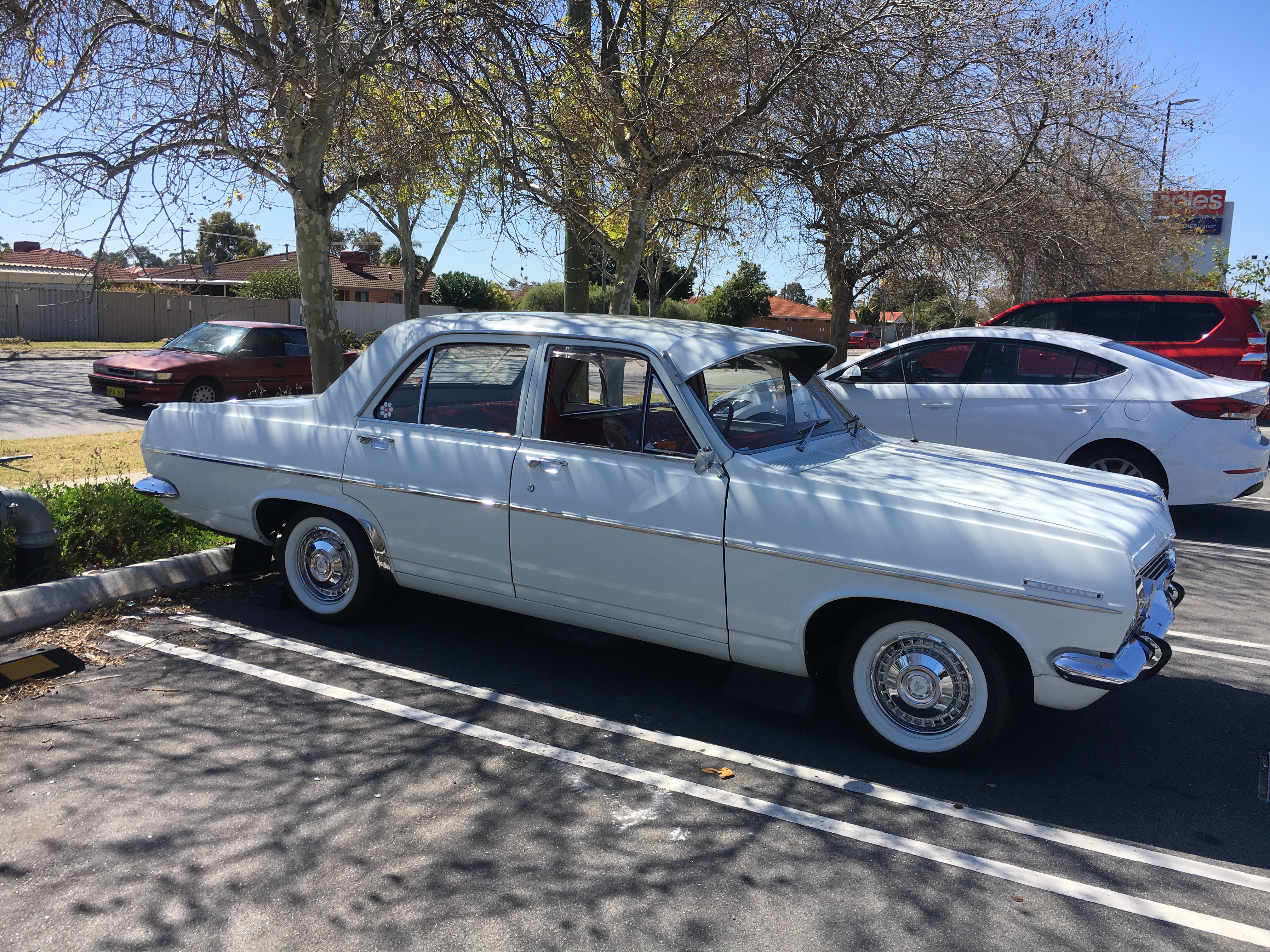
Consider someone looking at a 1970s Holden HQ Monaro advertised at $45,000. The seller has provided photos and a basic service history, but no formal inspection. A lender will usually require a qualified appraiser to verify the vehicle's authenticity, condition, and whether that price sits within current market range. That report might cost between $300 and $600, but it protects both you and the lender from overpaying for a vehicle that needs more work than advertised.
How Deposit Size Affects Your Loan Terms
A 20% deposit is standard for classic car finance. Some lenders will stretch to 80% or 90% loan-to-value ratio if the vehicle is well-documented and you have a solid credit history, but interest rates climb when the deposit shrinks. The vehicle becomes a secured car loan, which means the lender holds it as collateral, but they're more cautious about lending against something that might sit in a garage for months between drives.
In a scenario where someone puts down 30% on a $50,000 classic, the loan amount sits at $35,000. Monthly repayments depend on the interest rate and loan term, but a five-year term at current rates would typically land between $650 and $750 per month. A 10% deposit on the same car would push the loan amount to $45,000, and the lender might add a percentage point or more to the rate, which lifts monthly repayments and total interest paid over the life of the loan.
What Documentation Lenders Want to See
Lenders treating a classic car as an asset finance arrangement will ask for proof of income, recent tax returns if you're self-employed, and a valuation report. They'll also want to see comprehensive insurance arranged before settlement, and not all insurers cover classic cars under standard policies. Some require agreed-value policies that lock in the car's worth upfront rather than relying on market value at the time of a claim.
For buyers around Osborne Park, where industrial spaces and workshops make it common to keep project cars or weekend vehicles, lenders also consider where the car will be stored. A vehicle kept in a secure garage is less risky than one parked on the street, and some lenders adjust terms based on that detail.
When a Balloon Payment Makes Sense
A balloon payment defers part of the loan amount to the end of the term, which lowers monthly repayments but leaves a lump sum due at the finish. This structure suits buyers who plan to sell the car, refinance the car loan, or pay it out from another source later on. It's less useful if you want to own the car outright without another round of paperwork.
If someone finances a $40,000 classic over five years with a 30% balloon payment, they're repaying $28,000 over the term and owe $12,000 at the end. Monthly repayments drop compared to a standard loan, but that final payment becomes a fixed obligation. If the car's value has held or increased, refinancing or selling might cover it. If the market has softened or the car needs more work than expected, that balloon amount can become a problem.
Should You Use Dealer Financing or a Broker
Classic car dealers sometimes arrange finance in-house, but the pool of lenders they access is often smaller than what a broker can offer. A broker working across car loan options from banks and lenders across Australia can compare rates, terms, and deposit requirements to find something that fits your borrowing capacity and repayment preferences.
Dealer financing might seem convenient, but it's worth comparing the rate and fees against what's available through a broker before signing. In our experience, buyers who take a week to compare car loan options often land on terms that save them several thousand dollars over the loan term compared to accepting the first offer.
What Happens if You Want to Refinance Later
Classic car values can move, and interest rates shift over time. If rates drop or your financial position improves, refinancing might lower your monthly repayment or shorten the loan term. The same appraisal process applies when refinancing, so the lender will want an updated valuation to confirm the vehicle's current worth.
Refinancing also makes sense if you've paid down a chunk of the loan and want to access equity for another purchase, or if you're consolidating other debts into one loan. The process mirrors the original application, but your existing repayment history gives lenders more confidence if you've kept up with payments.
If you're considering a classic car purchase in Osborne Park and want to see what finance looks like before committing to a vehicle, call one of our team or book an appointment at a time that works for you.