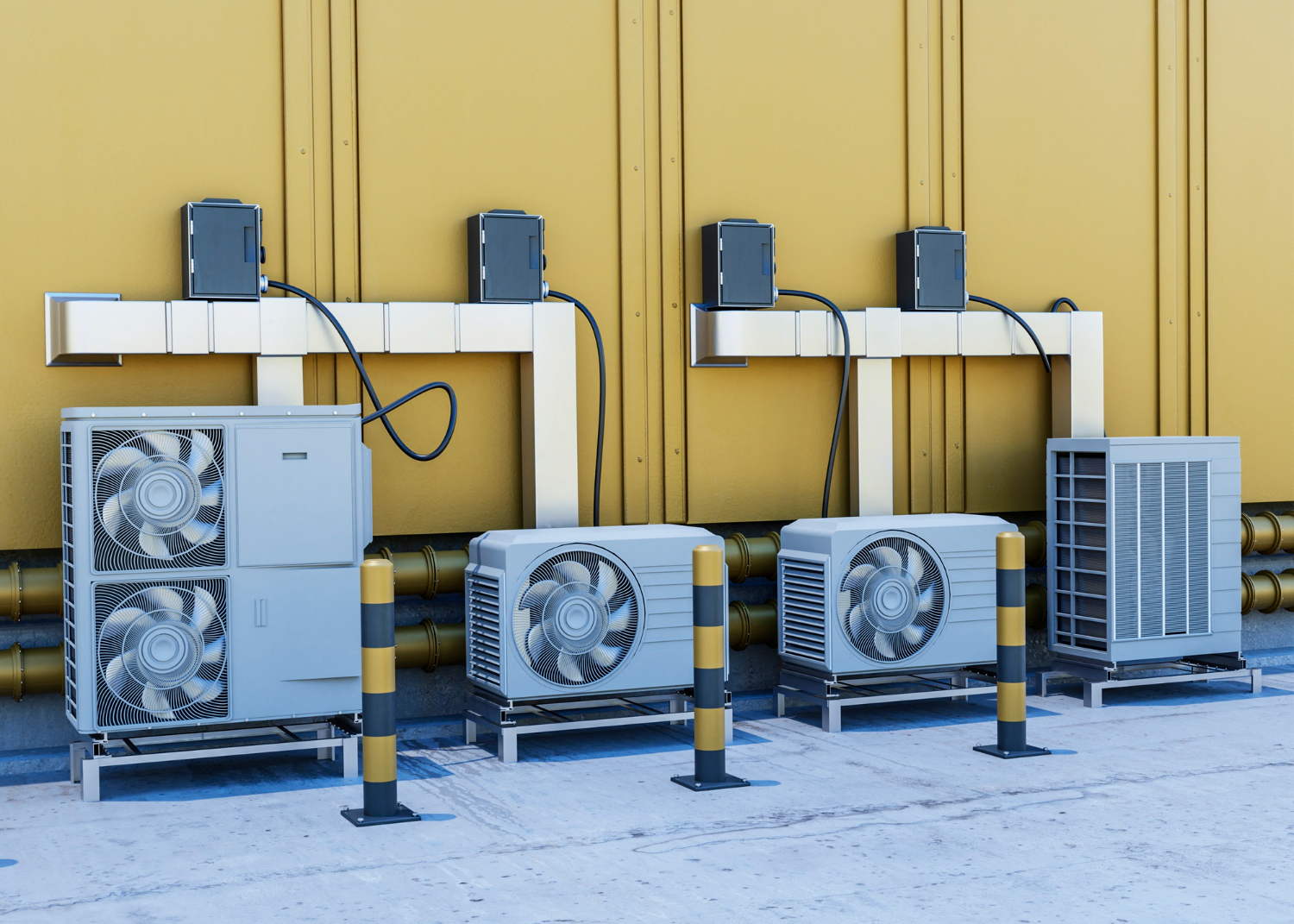
If your building needs a new HVAC system, the $40,000 to $150,000 price tag can feel like a choice between comfort and cashflow.
Most businesses in O'Connor face this exact situation when their air conditioning struggles through summer or heating fails in winter. The reality is you don't need to choose. Asset finance structures let you purchase the system outright while spreading payments over time, preserving capital for wages, stock, and the unexpected expenses that always seem to arrive at the worst moment.
What Asset Finance Covers for HVAC Purchases
Asset finance provides funding for the full purchase price of your heating and cooling system, including installation and any necessary electrical work. Consider a warehouse operation near the Beeliar Industrial Estate that needed to replace aging split systems with a ducted solution across 800 square metres. The quote came to $95,000 including removal of old units and commissioning. Through a chattel mortgage arrangement, they secured the equipment with fixed monthly repayments over five years, claimed the GST input credit upfront, and started writing off depreciation in the same financial year.
The business kept $95,000 in their operating account, which mattered when a major client delayed payment by 60 days three months later. That buffer made the difference between meeting payroll comfortably and scrambling for options.
How Chattel Mortgages Work for HVAC Equipment
A chattel mortgage means you own the equipment from day one while the lender holds security over it until the loan is repaid. You claim the GST back immediately, then deduct both the interest and depreciation each year. At the end of the loan term, the equipment is yours without any residual payment.
For a $60,000 ducted system with a five-year term, your monthly repayment might sit around $1,200 depending on the interest rate and your deposit. That's often less than the monthly profit increase from maintaining a comfortable environment for staff and customers. A medical practice we spoke with recently noted their reception area bookings increased after installing proper climate control because patients were willing to wait in comfort rather than rescheduling.
Tax Treatment That Preserves More Capital
The tax benefits matter more than many business owners realise. HVAC systems typically qualify for depreciation under the general depreciation rules, letting you write off the decline in value each year. When you add the interest deductions on the finance itself, the after-tax cost of the equipment drops substantially.
In that warehouse example, the business reduced their taxable income by roughly $19,000 in the first year through depreciation and interest claims. At the company tax rate, that represented over $5,000 back in their pocket. The numbers work differently depending on your structure and circumstances, but the principle holds: financing equipment through proper structures costs less than the sticker price suggests.
When Equipment Leasing Makes More Sense
Equipment leasing through a finance lease might suit businesses that upgrade regularly or prefer not to own aging equipment. Under a lease arrangement, you make payments for the use of the system over an agreed period, then either return it, upgrade to new equipment, or purchase it for market value.
This works well for businesses in rapidly developing precincts where building tenure is uncertain. If you're leasing your O'Connor premises on a five-year term with no guarantee of renewal, committing to owned equipment that's bolted to the roof creates complications. A lease term that matches your building lease keeps your options open.
Your truck and equipment finance options extend beyond standard loans to include various lease structures depending on what your business actually needs.
The O'Connor Context for HVAC Investment
O'Connor sits in an established commercial and light industrial zone where many buildings date back 20 to 30 years. Those older structures often have undersized or failing climate control that wasn't designed for current equipment loads or modern occupancy standards. When you're running servers, manufacturing equipment, or simply accommodating staff expectations for workplace comfort, inadequate cooling isn't just uncomfortable - it affects productivity and equipment lifespan.
The mix of warehouses, offices, and mixed-use buildings in the area means HVAC requirements vary dramatically from one business to the next. A 200 square metre office needs a different solution than a 1,000 square metre warehouse with high ceilings and roller doors that open throughout the day. Finance structures need to match these varying requirements, with loan amounts and terms that reflect both the purchase price and the expected working life of the equipment.
Preserving Working Capital During Peak Periods
Many O'Connor businesses operate with seasonal variation or project-based income. Using $80,000 of operating capital to purchase HVAC equipment in January might feel manageable, but if March brings slower trading or April requires stock purchases for winter inventory, that decision looks different.
Financing through a commercial equipment finance structure means your capital position stays intact when you need it most. The monthly repayment becomes a predictable operating expense that you can budget around, rather than a large capital draw that happens once and changes your entire cash position for months.
The collateral for the finance is the equipment itself. You're not pledging your home or other business assets to secure the funding, which keeps risk proportional to the asset being financed.
What Lenders Look For in HVAC Finance Applications
Lenders want to see that your business generates sufficient cashflow to cover the repayments comfortably, typically with some margin for variability. They'll review your recent financial statements, bank statements showing trading activity, and sometimes tax returns depending on the loan amount.
For established businesses with two years of trading history, the application process moves relatively quickly. Newer businesses might need to provide more detailed projections or consider a larger deposit to reduce the loan amount. The equipment itself serves as security, so lenders also consider whether the HVAC system adds value to your business or could be relocated if needed.
If you're also considering vehicle purchases or other equipment needs, it often makes sense to structure multiple assets under related finance arrangements. We regularly see businesses combining office equipment, work vehicles, and HVAC systems into a coordinated funding approach that manages cashflow more effectively than separate applications.
Making the Decision That Suits Your Business
The decision to finance HVAC equipment rather than purchase outright comes down to whether you value access to capital more than you value owning the equipment without debt. For most businesses with growth plans, ongoing expenses, and normal trading variability, keeping $50,000 to $100,000 available matters more than avoiding a monthly payment.
Your specific situation might differ. The conversation about finance options should include what else is happening in your business over the next 12 to 24 months, not just whether you can afford the repayments. Call one of our team or book an appointment at a time that works for you, and we'll talk through what makes sense for your circumstances.