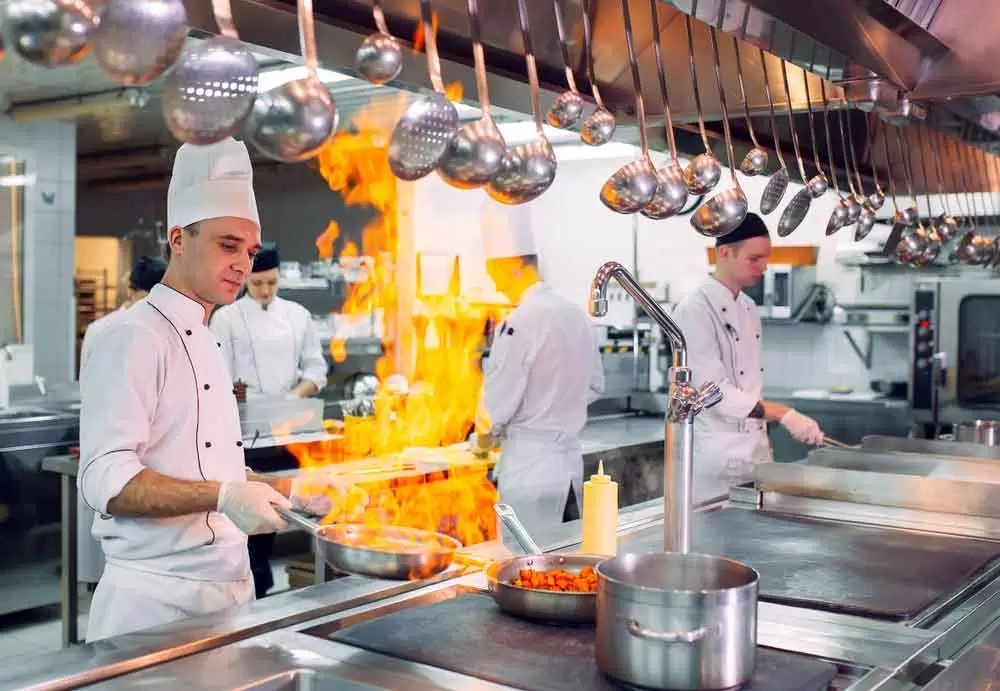
Opening a cafe or upgrading your existing venue requires significant capital for equipment and fitouts.
For hospitality operators in Canning Vale, where the blend of industrial businesses and residential growth continues to create opportunities along Bannister Road and around Livingston Marketplace, the upfront cost of a complete cafe fitout can drain the working capital you need to cover stock, staffing, and those first few months of trading. Asset finance lets you spread that cost across the income-generating life of the equipment while keeping your cash reserves intact.
What Hospitality Equipment Finance Covers
Hospitality equipment finance covers the commercial kitchen equipment, coffee machines, refrigeration, seating, furniture, and point-of-sale systems that make up your cafe fitout. The loan amount typically ranges from $10,000 to several hundred thousand dollars depending on the scale of your venue. You can finance new equipment directly from suppliers or use the funds to purchase secondhand commercial items from other venues.
Most lenders will finance the tangible equipment rather than the lease improvements themselves. That means the $35,000 espresso machine, the $18,000 commercial oven, the $12,000 refrigerated display cabinet, and the POS system all qualify. The structural work like plumbing, electrical, and cosmetic shop fitting often needs to come from your own capital or a separate commercial loan unless bundled with equipment through truck and equipment finance structures designed for fit-for-purpose installations.
Chattel Mortgage for Owner-Operators
A chattel mortgage works when you own your business outright and want to own the equipment from day one. You borrow the funds to purchase the equipment, the lender takes security over those assets, and you make fixed monthly repayments across a term typically between three and five years. The equipment appears on your balance sheet immediately, which means you claim the depreciation each year and potentially access the instant asset write-off depending on the equipment value and current tax legislation.
Consider an operator setting up a new cafe in the Canning Vale industrial precinct near the freight hub. They need $80,000 for a complete kitchen and front-of-house setup. With a chattel mortgage across five years, the repayments sit around $1,500 per month depending on the interest rate applied. They claim the GST back on the purchase price, deduct the depreciation annually, and own the equipment outright once the loan concludes. The structure preserves $80,000 in working capital that would otherwise disappear into equipment purchases before a single coffee sells.
Equipment Lease vs Hire Purchase
An equipment lease means you rent the equipment across an agreed period and either return it, upgrade it, or purchase it at the end. A hire purchase means you're buying the equipment on terms, with ownership transferring after the final payment. Both structures manage cashflow by spreading the cost, but the tax treatment and ownership timing differ.
With a finance lease, you don't own the equipment during the lease period. The lease payments are generally fully tax-deductible as an operating expense, which suits profitable businesses looking to minimise taxable income. At the end of the life of the lease, you can upgrade to newer equipment without dealing with resale, which matters when coffee machine technology or POS systems evolve quickly.
A hire purchase puts the equipment on your books from the start. You claim depreciation rather than deducting the full payment amount. This structure works when you want to own high-value items outright and aren't concerned about technology obsolescence. For equipment like commercial ovens or heavy-duty refrigeration that lasts a decade or more, hire purchase often makes more sense than a lease with residual uncertainty.
Balloon Payments and Cashflow Management
A balloon payment lets you reduce your fixed monthly repayments by deferring a lump sum to the end of the loan term. Instead of paying $1,500 monthly across five years, you might pay $1,100 monthly with a $20,000 balloon due at the end. The structure makes sense when your cashflow is tighter in the early years or when you expect to refinance or sell equipment before the term concludes.
For a Canning Vale cafe operator financing a fitout near the new residential developments off Nicholson Road, a balloon payment can smooth the first 18 months while you build your customer base. You preserve an extra $400 per month during the period when rent, wages, and ingredient costs hit hardest. When the balloon comes due, you can refinance it across a new term, pay it from accumulated profit, or trade in the equipment if you're upgrading your venue.
The risk sits in assuming you'll have the capital or refinance option available when that balloon matures. If your business hasn't generated the expected profit or lender appetite has tightened, that deferred lump sum becomes a problem.
Tax Benefits and GST Treatment
When you purchase equipment through asset finance, you generally claim the GST back on the full purchase price in the quarter you acquire it, assuming you're registered for GST. That creates an immediate cashflow benefit. If you're financing $80,000 worth of equipment, you receive roughly $7,300 back from the ATO in the next Business Activity Statement cycle, which helps offset the deposit or first few payments.
Depreciation lets you write down the value of the equipment each year, reducing your taxable income. A $35,000 espresso machine might depreciate at 20% annually under standard ATO guidelines, giving you a $7,000 deduction in year one. The instant asset write-off threshold sometimes allows immediate deduction of the full amount for eligible businesses, which accelerates the tax benefit into the year of purchase. Your accountant will confirm eligibility based on your turnover and the current legislation.
Upgrading Existing Equipment in Established Venues
Asset finance isn't only for new venues. Established cafes in Canning Vale looking to replace aging equipment or expand their kitchen capacity use the same structures. If your five-year-old coffee machine is costing you downtime and repair bills, financing a replacement lets you upgrade without withdrawing capital from the business.
In a scenario where an operating cafe near Livingston Marketplace wants to add a second grinder, a larger commercial fridge, and upgrade their POS system, the total cost might reach $40,000. Rather than taking that from retained earnings needed for upcoming lease renewals or seasonal stock, an equipment lease across three years costs around $1,200 monthly and keeps the capital intact. The upgraded equipment often pays for itself through improved service speed, reduced waste, or the ability to offer expanded menu options that increase average transaction values.
If you're considering expanding your cafe or refreshing your fitout, having a conversation about how finance structures align with your business needs makes sense well before you commit to suppliers. Call one of our team or book an appointment at a time that works for you.