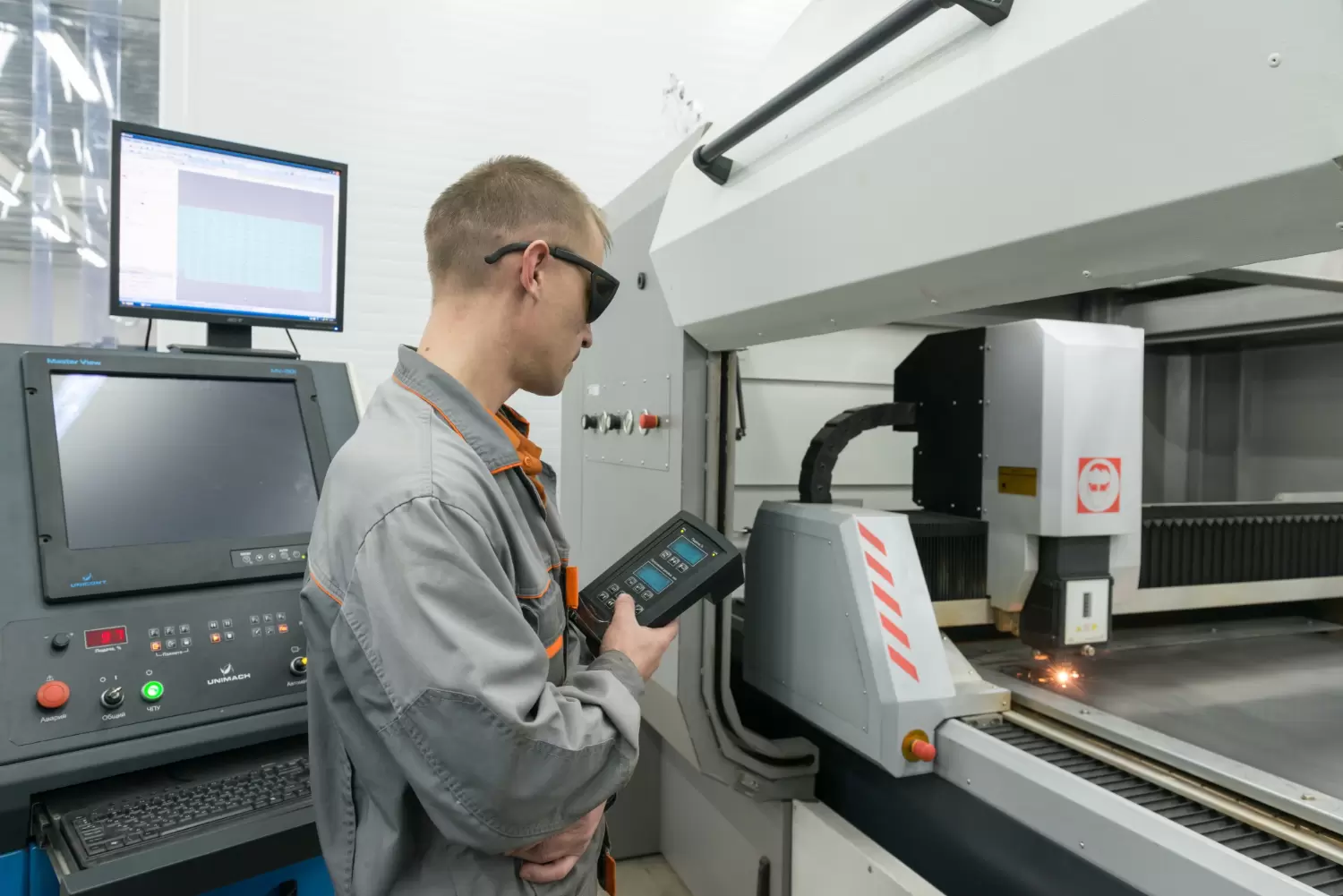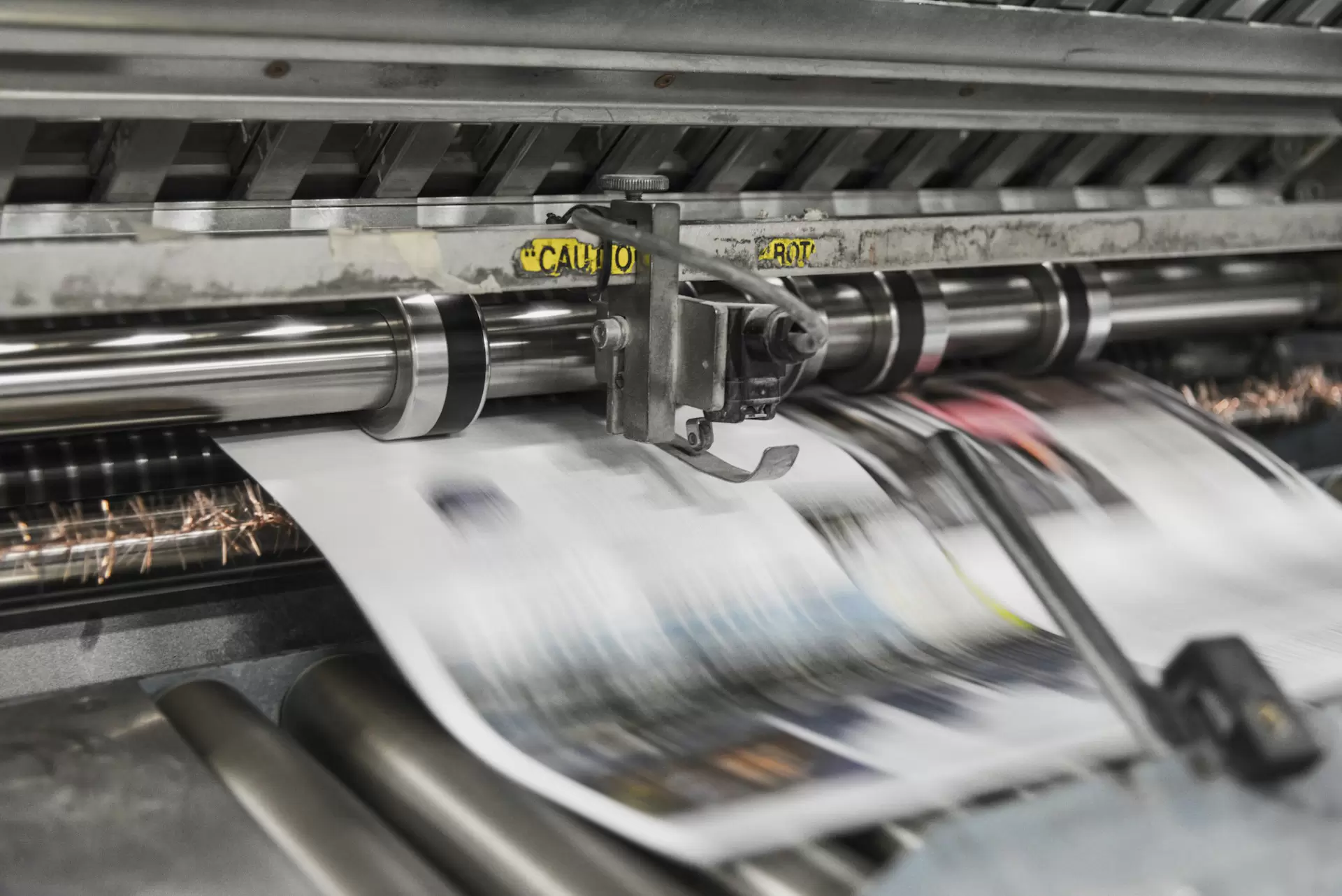
Buying or upgrading printing equipment can cost anywhere from $30,000 for a quality commercial printer to well over $200,000 for a full production setup.
For most Canning Vale businesses in the industrial precinct south of Bannister Road, tying up that kind of cash means saying no to other opportunities. Equipment finance lets you get the printing equipment you need now and spread the cost across the time you'll actually be using it to generate income.
How Equipment Finance Works for Printing Machines
You select the equipment, agree on a loan amount with a lender, and repay that amount with interest over an agreed term. The equipment itself usually acts as security for the loan, which means lenders don't always need property or other collateral. Once the loan is repaid, you own the equipment outright.
Consider a packaging business in Canning Vale that needs a digital label printer to meet a contract with a new client. The machine costs $85,000. Rather than pulling that amount from their operating account, they arrange equipment finance over five years with fixed monthly repayments of around $1,700. The contract generates $3,500 per month in additional revenue, so the equipment pays for itself while the business keeps its cash reserves intact for wages and stock.
Chattel Mortgage or Hire Purchase
A chattel mortgage suits businesses registered for GST that want to claim the full GST upfront and structure repayments to match their cashflow. You own the equipment from day one, claim depreciation, and the interest is tax deductible. Monthly repayments can be structured with or without a residual, depending on whether you want lower payments now or full ownership sooner.
Hire purchase works differently. The lender owns the equipment until the final payment is made. You can't claim the GST or depreciation upfront, but for businesses that prefer simpler documentation or aren't registered for GST, it's often the more practical choice. Both structures let you upgrade equipment when the term ends, but chattel mortgage gives you more control earlier.
What Lenders Look at When You Apply
Lenders want to know the equipment will hold value and your business can service the repayments. They'll look at your last two years of financials, your current cashflow, and how the new equipment connects to revenue. If you're replacing old machinery or adding capacity to meet a contract, that strengthens your case.
For businesses in Canning Vale's printing and packaging sector, where equipment directly drives production capacity, lenders generally view printing equipment finance as lower risk than speculative purchases. If your business has been operating for at least two years and the equipment supports an existing income stream, most applications move through without drama.
Structuring Repayments Around Your Cashflow
Fixed monthly repayments make budgeting straightforward, but they're not the only option. Seasonal repayments let you pay more during high-income months and less when things slow down. Residual payments, also called balloon payments, reduce your monthly cost by deferring a lump sum to the end of the term. You can pay it out, refinance it, or trade in the equipment and use its value to cover the residual.
A Canning Vale print shop financing a $120,000 wide-format printer might choose a 30% residual over five years. That drops their monthly repayment from roughly $2,400 to $1,680, which suits their cashflow better while still giving them full use of the machine. At the end of the term, they either pay the residual or roll it into finance for newer technology.
Tax Deductions and Depreciation
Under a chattel mortgage, the interest you pay and the depreciation on the equipment are both tax deductible. Depending on the asset's value and your business structure, you may also be able to claim instant asset write-off or accelerated depreciation. Those deductions reduce your taxable income, which means the effective cost of the equipment is lower than the ticket price.
Your accountant will confirm what applies to your situation, but for most businesses buying new equipment, the tax benefit is one of the reasons commercial equipment finance makes more sense than paying cash.
Financing Used or Refurbished Printing Equipment
Used equipment can be financed, but lenders typically cap the age and require a valuation. A three-year-old digital press in good condition will usually qualify. A ten-year-old offset printer might not, depending on its resale value and condition. The loan term is often shorter for used equipment, and the interest rate may be slightly higher to reflect the added risk.
If you're considering used machinery to keep costs down, ask the supplier for service records and recent maintenance history. Lenders want to see that the equipment is reliable and won't become a liability halfway through the term.
How Long the Approval Process Takes
Once you've submitted financials and a quote for the equipment, most lenders respond within a few business days. If the application is straightforward and the equipment is standard commercial stock, you can have conditional approval within 48 hours. Settlement depends on how quickly the supplier can deliver the equipment and how fast your accountant can turn around any supporting documents the lender requests.
For businesses in Canning Vale working with local suppliers or ordering from interstate, it's worth starting the finance conversation early so approvals don't hold up delivery.
Upgrading Equipment Before the Term Ends
Technology moves quickly in the printing industry. If you're two years into a five-year term and need to upgrade, you have options. Some lenders let you refinance the remaining balance and roll it into a new loan for the upgraded equipment. Others let you trade in the current machine and use its value to offset the payout figure.
This isn't automatic, and it depends on the lender's policy and the equipment's residual value, but it's worth discussing if your business needs to stay current with technology.
If managing multiple equipment purchases or planning for future upgrades is part of your growth plan, working capital loans can sit alongside equipment finance to keep your cashflow flexible while you scale.
Call one of our team or book an appointment at a time that works for you. We'll walk through your options, get quotes from lenders who understand printing equipment, and structure repayments that suit your business without locking up your cash.