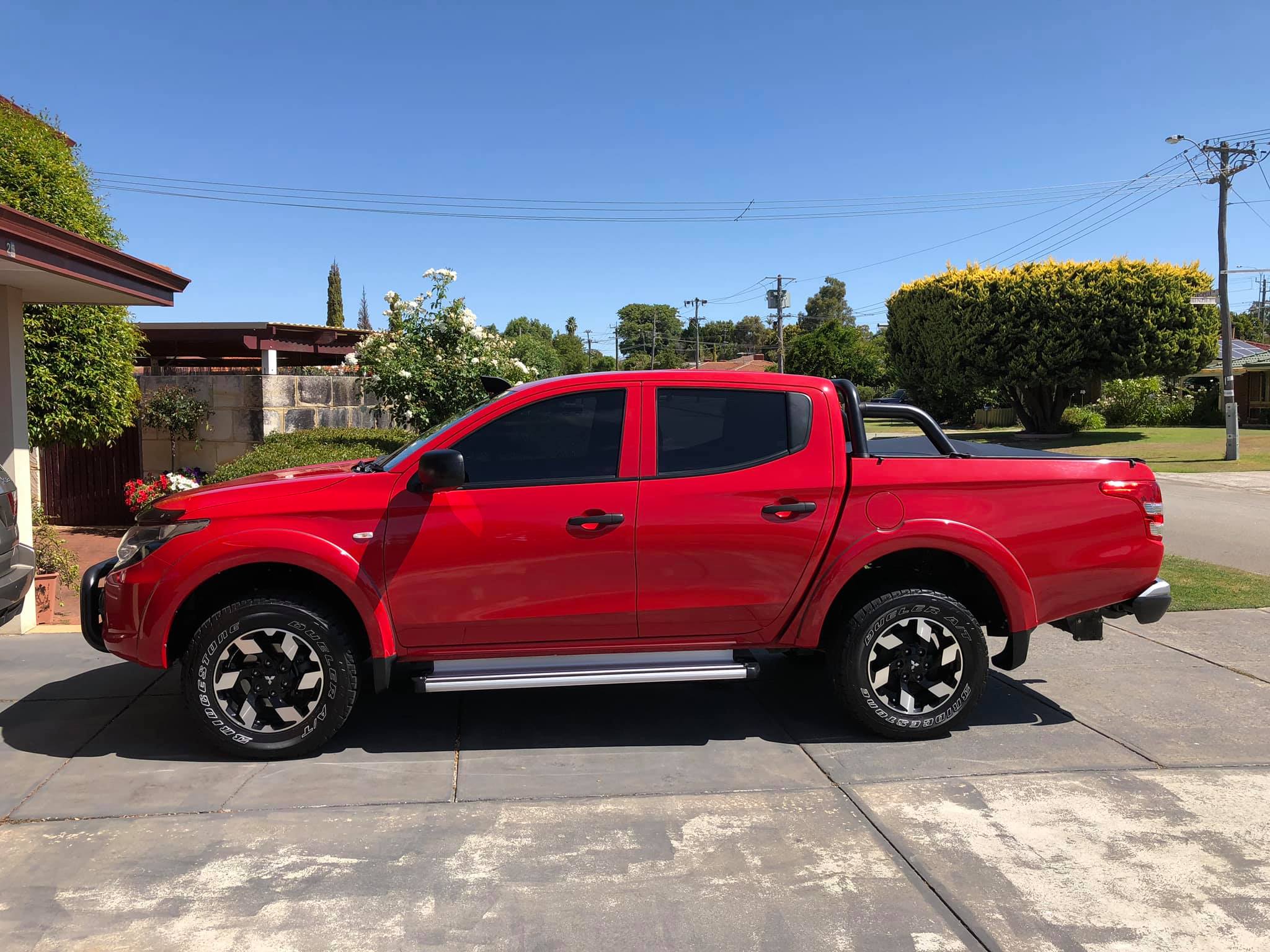
Utes are everywhere in O'Connor, parked outside renovated workers' cottages and lined up at the Village Centre on Saturday mornings.
Whether you need one for work, weekend projects, or hauling kayaks to the coast, getting the finance right matters. The difference between a well-structured car loan and one that costs you thousands more comes down to decisions made before you walk into a dealership.
Choosing Between Secured and Unsecured Finance
A secured car loan uses the ute as collateral, which typically means a lower interest rate compared to an unsecured personal loan. Most lenders offer secured car finance for vehicles less than ten years old at the time the loan ends, though some will finance older utes at a higher rate.
Consider someone buying a three-year-old Ranger for trade work around Perth's northern suburbs. With a secured loan, they might access an interest rate around 7-8%, while an unsecured personal loan could sit closer to 12-14%. On a loan amount of $40,000 over five years, that rate difference translates to roughly $150 more each month in repayments, or around $9,000 over the life of the loan.
The trade-off is that the lender holds security over the vehicle until the loan is repaid. You'll need comprehensive insurance, and if you default, the lender can repossess the ute. For most buyers financing a ute they'll rely on for work or family use, the lower rate makes secured finance the practical choice.
Dealer Financing vs Broker Comparison
Dealerships often have finance arranged before you've finished the test drive. The process feels convenient, but dealer financing typically earns the dealership a commission, and that cost is built into your interest rate or loan structure.
A broker works differently. They compare car loan options from multiple lenders, including banks and specialist vehicle finance providers, to find a loan amount and monthly repayment that fits your situation. The car dealer doesn't see your financial details, and you arrive at the dealership with finance approval already in place.
In our experience with O'Connor clients, having pre-approved car loan finance in hand before you negotiate gives you the same purchasing power as a cash buyer. You're discussing the drive-away price of the ute, not the weekly payment the dealership can structure for you.
Balloon Payments and Trade-In Timing
A balloon payment reduces your monthly repayment by deferring a lump sum until the end of the loan term. It's a common structure for work utes, particularly when buyers plan to trade the vehicle in before the balloon is due.
The calculation matters. If you finance a $50,000 ute over five years with a 30% balloon payment, you'll owe $15,000 at the end of the term. Your monthly repayments cover the remaining $35,000 plus interest, which might feel manageable. But if the ute is worth less than $15,000 when the balloon is due, you'll need to refinance the shortfall or cover it from savings.
This scenario plays out regularly with buyers who underestimate how quickly utes depreciate, particularly if they've added aftermarket modifications or put on heavy kilometres. The safer approach is to set the balloon payment below the vehicle's expected trade-in value, or avoid a balloon altogether if you're planning to keep the ute long-term.
New vs Used Car Loan Structures
Lenders treat new car finance and used car loan applications differently. A new ute from a dealership might qualify for a longer loan term and a slightly lower interest rate compared to a five-year-old model bought privately.
That doesn't always make the new ute the cheaper option. A certified pre-owned ute from a dealer gives you some warranty coverage and dealer support, while a private sale might save $10,000 or more on the purchase price. The difference in interest rate might only amount to $30-$50 per month, which doesn't offset the higher loan amount on a new vehicle.
For buyers in O'Connor who need reliable transport without the new car smell premium, a two- to four-year-old ute financed through a car loan often delivers the most value. You're past the steepest depreciation, but the vehicle is still under or close to manufacturer warranty.
Add-Ons, Insurance, and Settlement Costs
Dealerships make much of their profit on add-ons sold during the finance conversation. Extended warranties, paint protection, gap insurance, and tinted windows all sound useful in the moment, but they're rarely worth the financed cost.
Gap insurance, for instance, covers the difference between what you owe and what the insurer pays out if the ute is written off. It sounds sensible, but if you've structured your loan with a reasonable deposit and no oversized balloon payment, you're unlikely to be in a negative equity position. The cost of gap insurance, often $800 to $1,500, is added to your loan amount and you'll pay interest on it for the full term.
Extended warranties are another common offer. Check what your manufacturer warranty already covers, and whether the extended version duplicates existing coverage or excludes the components most likely to fail. Many extended warranties sold at dealerships have significant exclusions and excess fees that reduce their practical value.
Maximising Borrowing Capacity Without Overcommitting
Lenders assess your borrowing capacity based on income, existing debts, and living expenses. A higher loan amount might be approved, but that doesn't mean it fits comfortably within your budget once ute running costs are included.
Fuel, insurance, registration, and maintenance add up quickly, particularly for larger utes. If you're borrowing close to your maximum capacity, a $600 monthly repayment might be manageable until you add $300 in fuel, $150 in insurance, and unexpected repair costs. Suddenly the affordable repayment isn't.
A practical approach is to calculate your monthly repayment based on the loan amount you need, then add estimated running costs before deciding if the ute fits your budget. If the total pushes your commitments too high, consider a less expensive vehicle or a larger deposit to bring the loan amount down.
Call one of our team or book an appointment at a time that works for you. We'll compare car loan options, walk through the numbers, and help you set up finance that works for the ute you need and the budget you're working with.