Buying Workshop Tools Without Upfront Cash
Commercial equipment finance lets you acquire workshop tools through structured repayments rather than a single cash payment. You take ownership immediately while spreading the cost across fixed monthly repayments that align with your operating budget.
Many workshops in Osborne Park operate near light industrial zones where automotive repair, metal fabrication, and manufacturing businesses cluster around Hazelmere and Balcatta. These trades often need diagnostic equipment, welding machines, lathes, or hydraulic presses that cost tens of thousands but generate revenue from the first day of use. Paying upfront ties up capital that could cover wages, materials, or unexpected repairs.
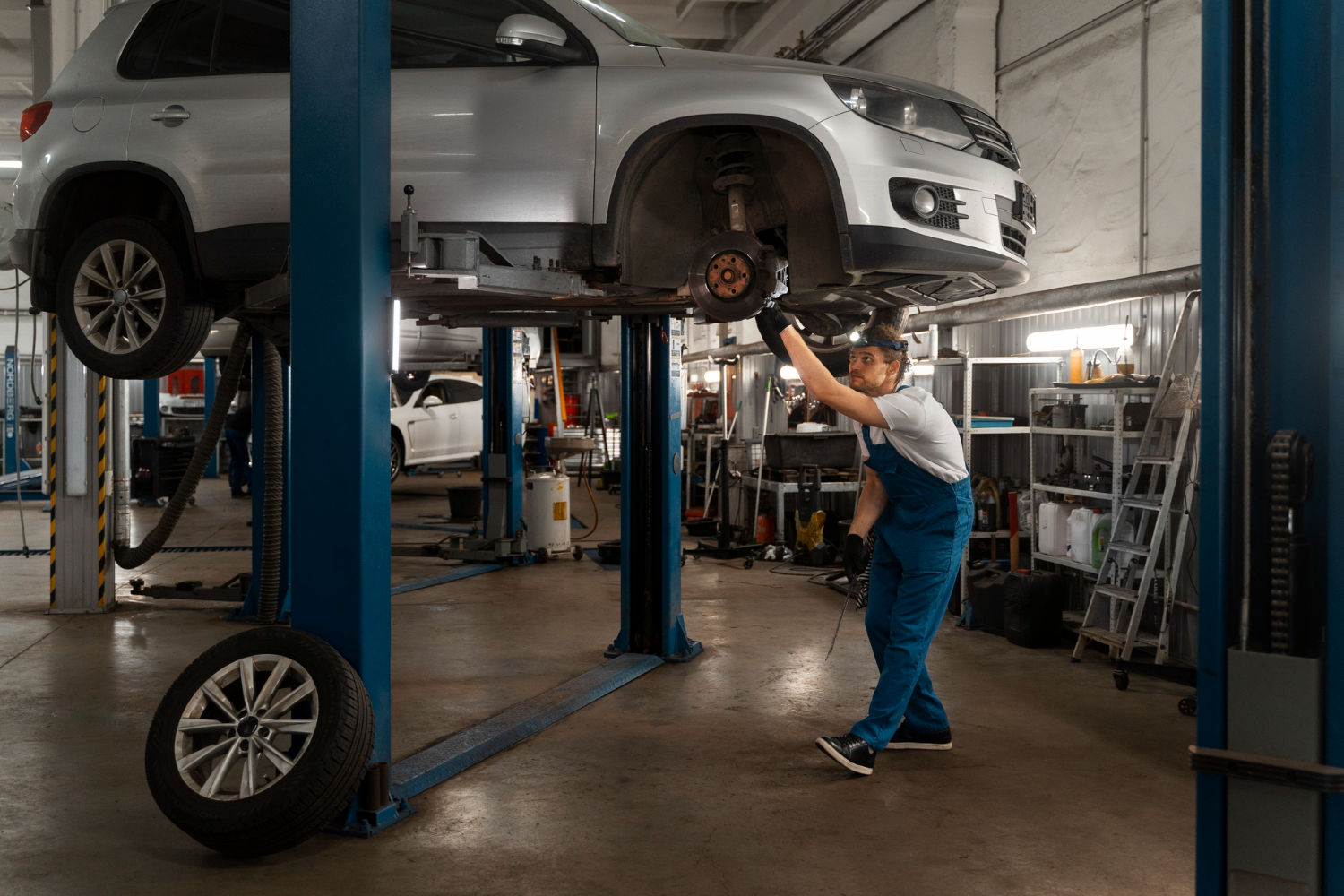
Consider a mechanical workshop that needs a four-post vehicle hoist priced at $22,000. Through a chattel mortgage arrangement with a five-year term, the business makes monthly repayments while claiming both the GST input credit and tax deductions on interest and depreciation. The hoist increases workshop capacity immediately, allowing the business to take on additional vehicles without waiting to accumulate savings. Over the loan term, the increased revenue from extra jobs often exceeds the finance cost.
How Chattel Mortgage Structures Work for Workshop Tools
A chattel mortgage is a secured loan where the equipment you purchase acts as collateral. You own the tools from day one, claim tax deductions on the interest component and depreciation, and at the end of the loan term, the equipment is yours outright with no residual payment.
This differs from equipment leasing, where you never own the asset and return it at lease end, or hire purchase, where ownership only transfers after the final payment. For workshop tools that depreciate but remain functional for years beyond the finance term, ownership from the start makes sense. The structure also means you can modify or sell the equipment if your business needs change, though selling before the loan concludes requires paying out the remaining balance.
The loan amount typically covers up to 100% of the equipment cost, though some lenders require a deposit for higher-risk purchases. Interest rates vary based on the equipment type, your business financial position, and whether you choose fixed or variable terms. Fixed monthly repayments make budgeting predictable, which matters when you're balancing wages, rent, and material costs across multiple projects.
Tax Deductions and Cashflow Planning
The interest portion of each repayment is tax deductible as a business expense. You also claim depreciation on the equipment according to its effective life as determined by the Australian Taxation Office. For most workshop machinery, this ranges from five to ten years depending on usage and type.
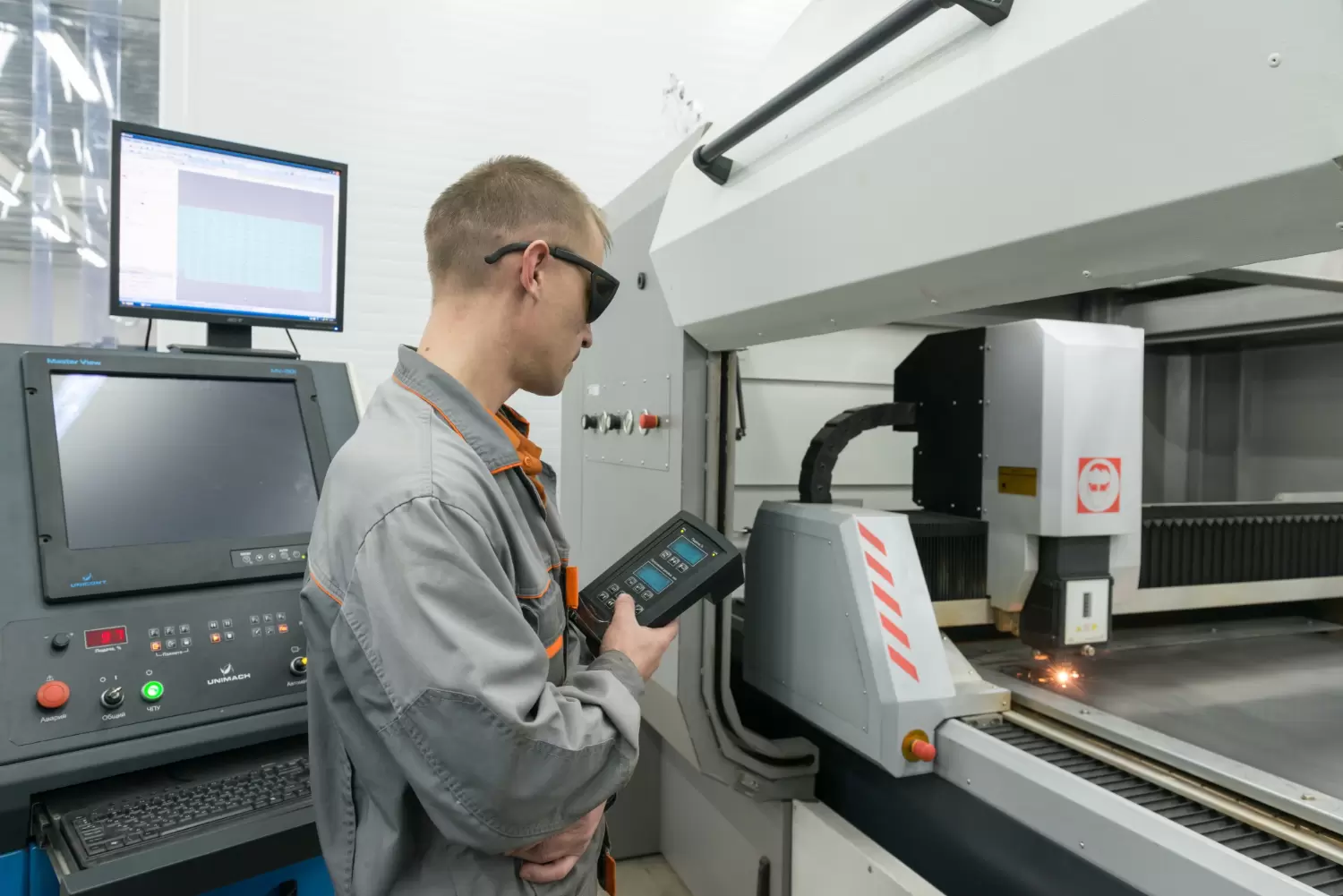
Say a fabrication workshop in Osborne Park purchases a CNC plasma cutter for $35,000 using a chattel mortgage. The business claims the GST back immediately, reducing the net cost. Each month, the interest component of the repayment reduces taxable income. Depreciation deductions further lower the tax burden. While the business pays finance charges, the combined tax benefits and immediate revenue generation often justify the cost compared to delaying the purchase until savings accumulate.
Managing cashflow becomes more predictable with fixed monthly repayments rather than large lump-sum purchases. A workshop can budget for a $600 monthly payment far easier than finding $35,000 in available funds without affecting other operational needs. This lets you upgrade equipment when it becomes obsolete or insufficient rather than running outdated tools until they fail.
Which Workshop Equipment Qualifies
Most income-generating workshop tools and machinery qualify for commercial equipment finance. Lathes, milling machines, welding equipment, diagnostic scanners, air compressors, vehicle hoists, spray booths, and industrial saws all meet lender criteria as long as they're used for business purposes.
Specialised machinery like CNC routers, laser cutters, or powder coating ovens also qualify, as do material handling equipment such as forklifts and pallet jacks. Computer equipment for CAD design or workshop management software falls under IT equipment finance, which follows similar structures but sometimes attracts slightly different rates due to faster depreciation.
Lenders typically exclude consumables or tools with very short lifespans, but any equipment expected to remain functional for at least three to five years will usually gain approval. The equipment itself acts as collateral, so lenders focus on whether the asset holds value long enough to secure the loan rather than only assessing your credit position.
Buying New Versus Upgrading Existing Equipment
Financing works for both buying new equipment and upgrading existing machinery. If your current lathe lacks the precision needed for new contracts or your diagnostic equipment can't interface with newer vehicle systems, upgrading becomes a revenue decision rather than a discretionary expense.
New equipment often qualifies for more favourable terms because lenders perceive lower risk with assets under warranty. Used or refurbished tools may require larger deposits or attract higher interest rates, though they still remain viable options when budgets are tighter. Some lenders specialise in older machinery finance, particularly for manufacturing or agricultural equipment where well-maintained used assets perform reliably for decades.
Osborne Park workshops serving industries like automotive repair, metal trades, or small-scale manufacturing often need equipment that bridges manual processes and automation. A robotic welding arm might cost $80,000 but eliminate bottlenecks in production. Financing that purchase lets you adopt the technology when your client base demands it rather than after competitors have already moved ahead.
How Osborne Park Location Affects Equipment Needs
Osborne Park sits within a mixed commercial and light industrial precinct where many businesses serve both retail clients and wholesale contracts. Workshops here often handle diverse work, from custom fabrication to fleet vehicle maintenance, which means equipment needs vary more than in specialised industrial estates.
Proximity to Perth CBD means workshops attract clients who need quick turnarounds on repairs or custom builds. Having the right tools on hand prevents delays that send clients elsewhere. A panel beating shop without a modern spray booth loses work to competitors who can complete jobs faster. An electrical workshop without cable crimping equipment suited for commercial projects can't tender for larger contracts.
The area's mix of older warehouses and newer industrial units also means some workshops inherit outdated equipment from previous tenants or start fresh with modern fit-outs. Access to finance options from banks and lenders across Australia gives you flexibility to match equipment quality to your client expectations and contract requirements rather than making do with what's affordable upfront.
Matching Repayment Terms to Equipment Lifespan
Repayment terms typically range from two to seven years, with most workshop equipment financed across three to five years. Matching the term to the equipment's effective working life prevents paying off obsolete machinery or replacing tools before you've cleared the debt.
A $15,000 diagnostic scanner for automotive work might only remain current for three years before software updates or new vehicle technologies require replacement. Financing that over five years means paying for equipment you've already retired. Conversely, a hydraulic press with a 15-year working life financed over two years creates unnecessarily high monthly repayments that strain cashflow.
Lenders usually cap terms based on equipment type. IT equipment and computer systems might be limited to three years, while heavy machinery like industrial lathes or CNC mills can extend to seven years. Working with a broker helps match the finance structure to both the equipment's lifespan and your cashflow capacity, avoiding terms that either overextend or overpay.
What Lenders Assess When You Apply
Lenders evaluate your business financial position, the equipment being purchased, and the loan amount relative to your revenue. They'll review recent financial statements, bank transaction history, and existing debts to assess whether monthly repayments fit comfortably within your operating cashflow.
The equipment itself undergoes assessment. Lenders prefer assets with clear resale markets and stable values. A generic workshop tool like a lathe or welder holds value longer than highly specialised custom machinery with limited buyers. Some lenders also consider whether the equipment directly generates revenue or supports revenue-generating activities, favouring tools that contribute to income over those that improve efficiency indirectly.
Your business history matters, though newer enterprises can still access finance if they demonstrate contracts, forward orders, or strong personal financial positions from the business owners. A workshop operating for six months with signed contracts and a full project pipeline will often gain approval where an established business with declining revenue might struggle.
When to Consider Hire Purchase Instead
Hire purchase differs from a chattel mortgage in that ownership only transfers after the final payment. Monthly repayments are slightly higher because they include both principal and interest with ownership delayed, but this structure suits businesses that want the option to return equipment at term end rather than committing to ownership.
For workshop tools expected to become obsolete quickly, hire purchase avoids being stuck with outdated equipment once technology moves on. It's less common for traditional workshop machinery that holds value and remains functional long-term, but becomes relevant for technology-adjacent equipment like 3D printers or automated inspection systems.
Most workshops prefer a chattel mortgage for core tools because immediate ownership, tax deductions on depreciation, and the flexibility to modify or sell equipment outweigh the slightly lower repayments under hire purchase. The choice depends on whether you view the equipment as a long-term asset or a renewable resource that needs regular replacement.
Working with a Broker on Equipment Finance
A finance broker accesses multiple lenders rather than limiting you to a single bank's criteria or rates. Different lenders specialise in different equipment types, industries, or business sizes. One might offer better terms for automotive equipment while another favours manufacturing machinery or IT systems.
Brokers also structure applications to emphasise aspects of your business that appeal to specific lenders. A workshop with strong revenue but limited trading history might suit a lender that values forward contracts over historical financials. Another business with years of operation but recent revenue dips might work better with a lender that considers asset value more heavily than cashflow.
This matters in Osborne Park, where workshops range from sole traders operating out of small units to established businesses with multi-bay facilities. A broker tailors the approach to your specific situation rather than forcing you into a one-size-fits-all product that might not suit your business needs or equipment requirements.
If you're ready to upgrade your workshop tools without depleting working capital, call one of our team or book an appointment at a time that works for you. We'll match your equipment needs with finance options that suit your business and cashflow.