Manufacturing machinery doesn't come cheap, and writing a cheque for $150,000 worth of CNC equipment or automated assembly gear ties up capital you'd rather use to hire staff or stock materials.
Most manufacturers in Welshpool are within cooee of the industrial precinct between Orrong Road and Leach Highway, where workshop space is precious and production downtime costs real money. Whether you're fabricating metal components, running food processing lines, or packaging goods for distribution, the right equipment finance structure lets you bring in machinery when you need it, not when the bank account allows it.
How Equipment Finance Works for Factory Machinery
You borrow the amount needed to purchase the machinery, the lender takes security over that equipment, and you repay the loan through fixed monthly repayments over a set term. The machinery itself acts as collateral, which usually makes approval more straightforward than an unsecured business loan where the lender relies on financial history alone.
Terms typically run between three and seven years depending on the equipment's expected working life. A stamping press with a 15-year lifespan might justify a seven-year loan, while IT equipment or computer-controlled routers might suit a shorter term given how quickly that technology moves.
Chattel Mortgage vs Hire Purchase
A chattel mortgage means you own the equipment from day one. You claim the GST input credit upfront if your business is registered, depreciate the asset, and deduct the interest portion of each repayment as a business expense. The equipment appears on your balance sheet as an asset.
Hire purchase means the lender owns the equipment until you make the final payment. You can't claim the GST upfront, but each repayment is fully tax deductible as a rental expense. Once the loan is paid, ownership transfers to you for a nominal fee.
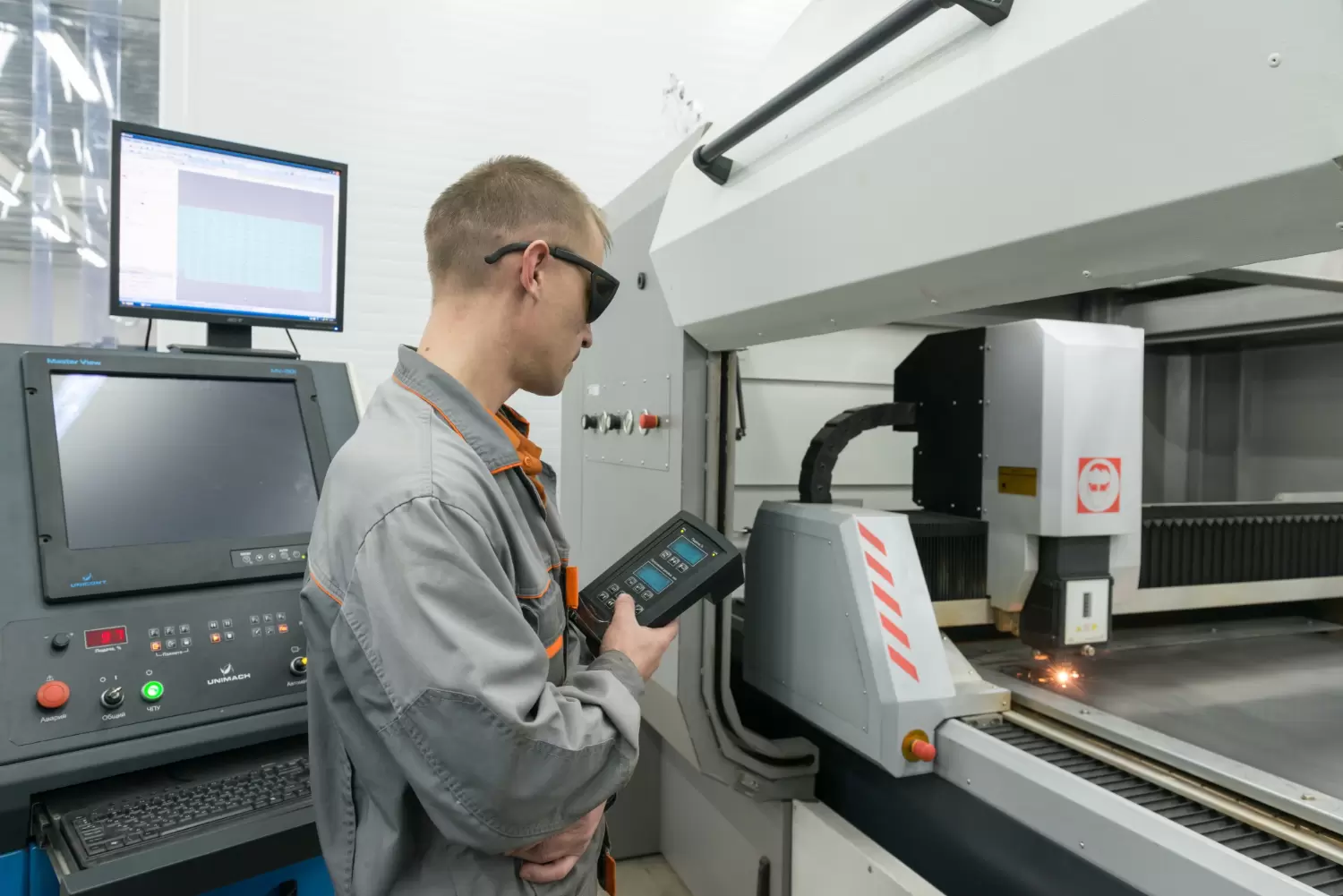
Consider a fabrication business buying a $120,000 laser cutter. Under a chattel mortgage, they'd claim the GST input credit at settlement, own the machine outright, and deduct interest and depreciation each year. Under hire purchase, they'd treat each payment as an operating expense, which keeps the debt off the balance sheet but delays the GST benefit.
Most manufacturers prefer chattel mortgage because the upfront GST credit improves cashflow and owning the asset from the start gives more control if you need to sell or refinance the equipment later.
Funding Automation and Robotics
Automation equipment often carries a higher price tag than conventional machinery, and lenders assess these applications differently because the technology depreciates quickly and resale markets can be thin. A $300,000 robotic welding cell might transform your production capacity, but if you default two years in, the lender needs to recover their money from a piece of gear that's highly specialised.
Lenders typically want to see that your business has the revenue base to support the repayments and that the automation will generate measurable efficiency gains. If you're currently running three welding stations with manual operators and the robotic cell consolidates that work into one automated line, the labour savings and increased throughput make the case.
Some lenders structure these loans with a residual payment at the end of the term, which lowers the monthly repayment but leaves a lump sum due when the loan matures. That works if you plan to refinance or sell the equipment, but it's a risk if your cashflow tightens and you can't meet the residual when it falls due.
What Lenders Look At
Lenders assess your revenue history, time in business, and how the machinery fits into your operation. A food processing business adding a commercial oven to expand production capacity is straightforward. A startup buying speculative equipment without confirmed orders is harder to fund.
Most lenders want to see at least two years of trading history and consistent revenue that can cover the loan repayments plus your other overheads. They'll also check your existing debts, because if you're already servicing a commercial loan on your factory lease and a vehicle loan on your delivery truck, adding another $2,000 a month in equipment repayments might stretch things too far.
The equipment itself matters. New machinery from a known manufacturer with a strong secondhand market is more attractive than used or niche equipment that's hard to resell. A five-year-old injection moulding machine from a European brand holds value. A custom-built assembly line built for one specific product is riskier for the lender.
Tax Treatment and Depreciation
Machinery is tax deductible through depreciation, and the Australian Tax Office publishes effective life guidelines for different asset classes. Most manufacturing equipment falls into the 10 to 15-year range, though some technology-dependent machinery depreciates faster.
Under the instant asset write-off provisions (when available), businesses below the turnover threshold can deduct the full cost of eligible equipment in the year of purchase rather than spreading it over the asset's life. The threshold and eligibility rules change depending on government policy, so it's worth checking current ATO guidance before you commit.
Interest on a chattel mortgage is also tax deductible, which reduces the effective cost of borrowing. If you're paying 8% interest and your company tax rate is 25%, the after-tax cost of that interest is closer to 6%.
Welshpool's Industrial Landscape
Welshpool sits at the centre of Perth's industrial belt, with engineering firms, food manufacturers, and logistics operations concentrated around Welshpool Road and the Kewdale freight precinct. The area's proximity to the airport and Fremantle port makes it a logical base for businesses that import raw materials or export finished goods, and that connectivity often drives demand for larger-scale production equipment.
Manufacturers here tend to operate in tight quarters, which means the machinery you bring in needs to fit your floor space and integrate with existing workflows. Lenders don't assess factory layout, but when you're planning an equipment purchase, it's worth thinking through installation, power requirements, and whether you'll need to modify your premises. Some asset finance structures can roll those setup costs into the loan amount if they're directly tied to getting the machinery operational.
When to Upgrade Existing Equipment
Replacing working machinery feels wasteful, but older equipment often costs more to run than the loan repayment on newer gear. A 15-year-old press brake might still punch holes, but if it's burning through maintenance, producing inconsistent results, or running slower than modern equivalents, the productivity drag adds up.
Calculate your current operating cost including repairs, downtime, and lost output, then compare it to the monthly repayment on replacement machinery plus the efficiency gain. If the numbers stack up, upgrading makes sense even if the old equipment technically works.
Some lenders will let you trade in the old machinery and use its residual value as a deposit on the new gear, which reduces the loan amount and speeds up approval.
How Long Does Approval Take?
Most equipment finance applications settle within a week or two if your financials are current and the equipment quote is clear. You'll need recent tax returns, business activity statements, and a supplier invoice or quote showing the machinery specs and purchase price.
If the loan amount is large or your business structure is complex, the lender might want additional documentation like profit and loss statements or a valuation on the equipment. Custom-built or imported machinery can take longer because the lender needs to verify the asset's value and confirm delivery timelines.
Call one of our team or book an appointment at a time that works for you. We'll walk through your equipment needs, match them to the right finance structure, and work with lenders who understand manufacturing operations in Welshpool and across Perth.